
Feeling forgetful, foggy, or mentally drained? You’re not alone. Chronic stress doesn’t just impact your mood—it can literally shrink the parts of your brain responsible for memory and learning. In fact, studies have found that prolonged exposure to high cortisol levels can impair hippocampal function, reduce synaptic connections, and even shrink brain volume [1]. But the good news? There are actionable strategies to support your brain health and reverse the damage.
How Chronic Stress Affects the Brain
- Cortisol overload: The body’s primary stress hormone, cortisol, helps us manage acute stress—but long-term elevation disrupts brain function.
- Hippocampal atrophy: Chronic stress is linked to a reduction in hippocampus size, the brain’s memory center [2].
- Neuroinflammation: Ongoing stress can increase inflammation in the brain, interfering with neurotransmitter balance.
- Impaired neurogenesis: High stress can block the formation of new neurons, crucial for learning and memory.
Signs You Might Be Experiencing Brain Stress
- Frequent forgetfulness or trouble concentrating
- Irritability and mood swings
- Poor sleep and mental fatigue
- Feeling overwhelmed by simple tasks
Science-Backed Ways to Protect Your Brain
- Mindfulness & breathwork: Regular meditation has been shown to lower cortisol and improve cognitive flexibility [3]. Try apps like Headspace or Calm, or practice box breathing for 5 minutes each morning.
- Adaptogenic herbs: Ashwagandha and Rhodiola rosea can help modulate the stress response and support mental clarity. Studies show these herbs may reduce anxiety and improve working memory when taken consistently.
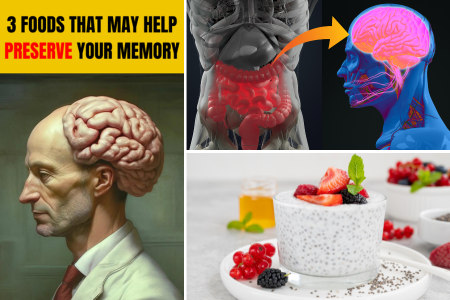
- Brain-healthy nutrition: Include salmon, walnuts, leafy greens, eggs, and berries in your weekly diet. These provide omega-3s, choline, and polyphenols—nutrients crucial for brain resilience and neuroprotection.
- Movement & sleep: Engage in 30 minutes of moderate-intensity exercise (like brisk walking or swimming) at least 5 days a week. Prioritize 7–9 hours of quality sleep to allow brain detox and memory consolidation.
- Cognitive stimulation: Keep your brain active by learning a new skill, playing strategy games, or reading nonfiction. Regular mental challenges help maintain and build neural pathways.
Final thoughts
Your brain is incredibly adaptable—but under chronic stress, even its strongest areas can falter. By recognizing the warning signs and incorporating proven strategies like breathwork, nutrition, and targeted supplementation, you can protect your memory and stay mentally sharp well into the future.
References:
- Lupien, S.J., McEwen, B.S., Gunnar, M.R., Heim, C. Effects of stress throughout the lifespan on the brain, behaviour and cognition. Nat Rev Neurosci 2009;10(6):434–445. https://www.nature.com/articles/nrn2639
- McEwen, B.S. Stress and hippocampal plasticity. Annu Rev Neurosci 1999;22:105–122. https://www.annualreviews.org/content/journals/10.1146/annurev.neuro.22.1.105
- Goyal, M. et al. Meditation programs for psychological stress and well-being: A systematic review and meta-analysis. JAMA Intern Med. 2014;174(3):357–368. https://jamanetwork.com/journals/jamainternalmedicine/fullarticle/1809754