
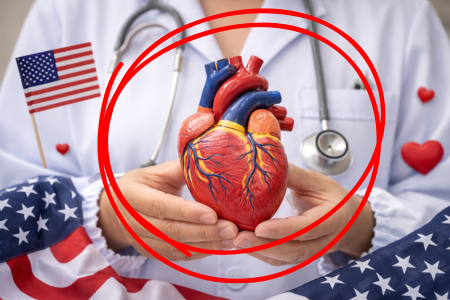
Your heart beats approximately 100,000 times per day, circulating blood through nearly 60,000 miles of blood vessels to nourish every cell in your body. It’s a marvel of biology, and one that depends heavily on the choices you make each day.
Despite its vital role, the heart is also one of the most vulnerable organs to modern stressors like poor diet, inactivity, chronic inflammation, and unmanaged stress. Cardiovascular disease (CVD) remains the leading cause of death in the U.S., claiming nearly 700,000 lives per year. What’s more concerning is that many people don’t even realize they’re at risk until a major event like a heart attack or stroke occurs.
The good news? Research shows that up to 80% of heart disease cases are preventable through targeted lifestyle and nutrition strategies [1].
February is American Heart Month, a time to raise awareness and empower individuals to take charge of their heart health, not just through medications, but through simple, evidence-based habits. In this article, we’ll explore seven natural ways to protect and strengthen your cardiovascular system, starting today.
🫀 1. Eat for Vascular Support
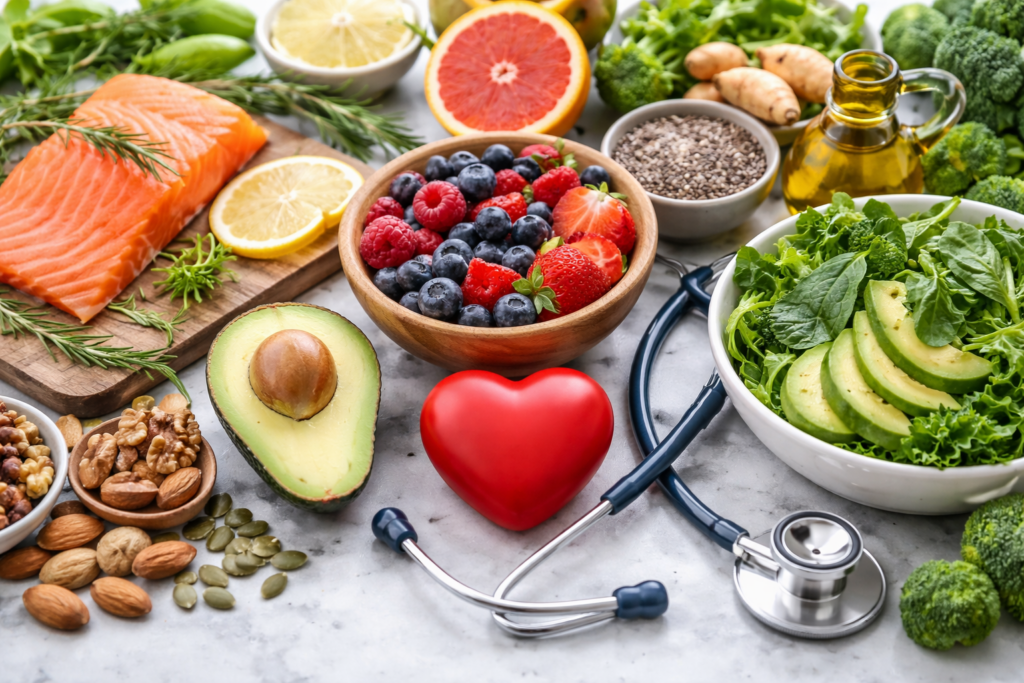
A heart-smart diet helps reduce inflammation, regulate blood pressure, and support healthy cholesterol levels. Focus on:
- Leafy greens: High in nitrates, which improve circulation
- Berries & citrus: Packed with heart-protective antioxidants
- Fatty fish (like salmon): Rich in omega-3s for healthy triglyceride levels
- Nuts, seeds, and legumes: Provide magnesium, fiber, and plant sterols
- Olive oil & avocado: Full of heart-healthy monounsaturated fats
Try limiting processed foods high in sodium, added sugars, and trans fats, which are known to increase cardiovascular risk.
💤 2. Prioritize Quality Sleep
Sleep isn’t just for recovery, it’s essential for regulating blood pressure, inflammation, and glucose metabolism. Studies link chronic sleep deprivation to increased risk of hypertension, heart attack, and stroke [2].
Aim for 7–9 hours of sleep per night and practice healthy habits like:
- Keeping a consistent bedtime
- Avoiding screens 1 hour before bed
- Creating a cool, dark sleep environment
Even small improvements in sleep quality can positively impact cardiovascular biomarkers.

🧘♀️ 3. Reduce Stress, Protect Your Heart
Ongoing stress triggers elevated cortisol levels, which in turn raise blood pressure and systemic inflammation, two key drivers of heart disease. According to a large body of research, emotional stress is an independent risk factor for cardiovascular events [3].
Effective stress-reduction methods include:
- Meditation or breathwork
- Yoga or tai chi
- Nature walks or grounding exercises
- Journaling or therapy
Even 10–20 minutes per day of intentional relaxation can measurably reduce heart strain.
🏃♂️ 4. Move Daily to Strengthen the Heart
Physical activity strengthens the heart muscle, improves circulation, and helps regulate blood lipids and insulin levels.
- Aim for 150 minutes/week of moderate aerobic activity
- Include strength training 2x/week
- Take frequent breaks from prolonged sitting
Exercise also increases nitric oxide, a molecule that dilates blood vessels and supports better oxygen delivery.
🧃 5. Boost Key Nutrients with Superfoods or Greens Powders
Certain nutrients play a critical role in cardiovascular wellness:
- Magnesium: Supports blood pressure and heart rhythm
- Potassium: Balances sodium levels and reduces hypertension risk
- CoQ10: Powers cellular energy in heart tissue
- Omega-3s: Support anti-inflammatory pathways and lipid health
- Vitamin K2: Helps guide calcium to bones instead of arteries
Rather than taking multiple individual supplements, many people turn to greens powders rich in these nutrients, especially if they struggle to eat a variety of whole foods daily.
🚭 6. Quit Smoking and Moderate Alcohol
Smoking damages blood vessels, reduces oxygen availability, and accelerates plaque buildup. The American Heart Association reports that quitting smoking cuts heart disease risk by 50% within a year [1].
Alcohol, when consumed in excess, can raise blood pressure, triglycerides, and inflammation. Limit to:
- 1 drink/day for women
- 2 drinks/day for men
Opt for red wine occasionally (in moderation), which contains resveratrol, a polyphenol with antioxidant properties.
🌿 7. Fuel Your Heart Daily with Greens
Leafy greens, algae like spirulina and chlorella, and circulation-friendly plants like beetroot offer:
- Natural nitrates to support blood vessel function
- Antioxidants to reduce free radical damage
- Adaptogens to regulate stress and cortisol levels
A consistent intake of these superfoods has been linked to better blood pressure, improved cholesterol profiles, and lower markers of systemic inflammation.
Final Thoughts:

Your heart is more than just a muscle, it’s your body’s lifeline, working around the clock to keep you alive, energized, and resilient. While cardiovascular disease remains a leading cause of illness and death, the power to protect your heart is largely in your hands.
By making small, sustainable changes, like prioritizing sleep, eating more nutrient-dense whole foods, managing stress, and staying active, you can reduce your risk of heart-related complications.
American Heart Month is a timely opportunity to assess where your habits stand and commit to lasting heart-healthy practices. Whether you start by adding a daily walk, cooking more meals at home, or improving your sleep routine, every step you take toward supporting your heart brings long-term benefits. 🫀Because your heart matters, not just this month, but every day of the year.
References:
- CDC. Heart Disease Facts. Centers for Disease Control and Prevention. 2023. https://www.cdc.gov/heart-disease/data-research/facts-stats/index.html
- Covassin, N. & Singh, P. Sleep Duration and Cardiovascular Disease Risk: Epidemiologic and Experimental Evidence. Sleep Med Clin. 2016;11(1):81–89. https://pubmed.ncbi.nlm.nih.gov/26972035/
- Steptoe, A.; Kivimäki, M. Stress and Cardiovascular Disease. Nat Rev Cardiol. 2012; 9(6):360–370. https://pubmed.ncbi.nlm.nih.gov/22473079/