
Mold is a common household nuisance, often associated with damp basements, bathrooms, or forgotten corners. However, the most dangerous mold in your home might not always be the mold you can see. Hidden mold growth is a more insidious problem that can affect your health, and it’s important to recognize the signs and take action before it gets worse.
In this blog, we’ll explore the dangers of hidden mold, how to spot potential problem areas, and what you can do to protect your health and home.
What Is Hidden Mold?
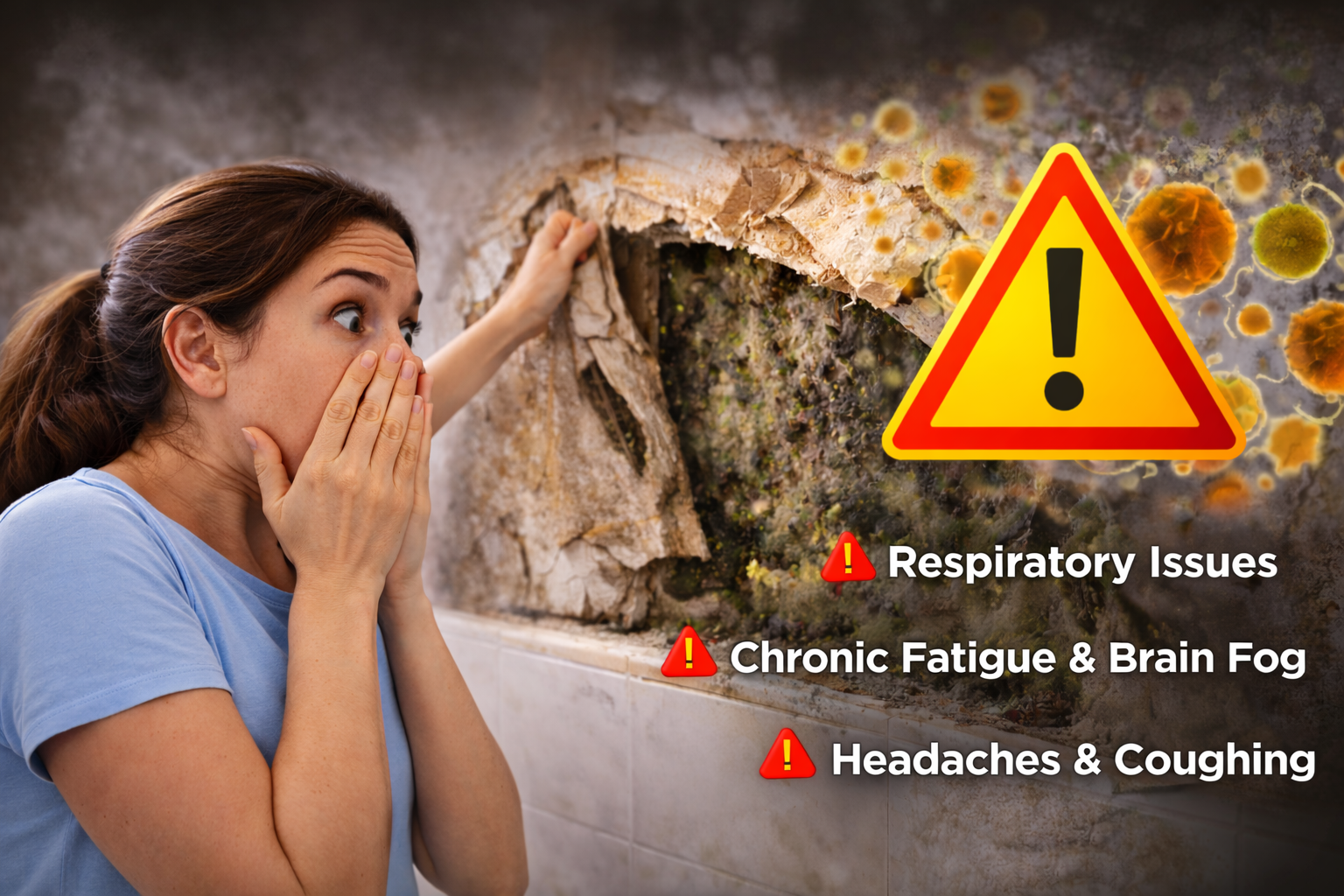
Hidden mold refers to mold growth that’s located in areas not visible to the naked eye. This can include behind walls, under floors, in ceilings, or inside HVAC systems—places where moisture can accumulate and create the ideal environment for mold to thrive.
While visible mold growth is easier to detect and address, hidden mold can go unnoticed for months or even years, causing long-term damage to both your home and your health. It often thrives in places with poor ventilation and high humidity, such as:
- Behind drywall or wallpaper
- Under carpets and rugs
- In attics and basements
- Inside air ducts or vents
- Around windows or pipes
Why Is Hidden Mold a Health Concern?
Mold produces spores that can be inhaled, leading to a variety of health issues, especially for people with sensitivities or pre-existing respiratory conditions. These health effects can range from mild to severe, depending on the type of mold, the level of exposure, and your individual health status.
Common symptoms of mold exposure include:
- Respiratory issues: Coughing, wheezing, nasal congestion, and throat irritation.
- Allergic reactions: Sneezing, watery eyes, skin rashes, and other allergy-like symptoms.
- Headaches and dizziness: Mold exposure can affect the central nervous system, leading to headaches, brain fog, and even dizziness [1].
- Asthma flare-ups: Mold spores can trigger asthma symptoms, making it more difficult for those with asthma to breathe [2].
- Chronic fatigue: Mold exposure has been linked to feelings of tiredness, lethargy, and persistent fatigue [2].
- Increased risk of infections: For people with weakened immune systems, mold can increase the risk of infections, especially respiratory ones.
The longer you’re exposed to hidden mold, the more severe these health effects can become. This is why identifying hidden mold as soon as possible is crucial to protect both your health and the structure of your home.

How to Spot Hidden Mold: Signs to Watch For
While hidden mold might not always be visible, there are a few signs that can indicate its presence in your home:
- Musty Odor: One of the first signs of hidden mold is a musty, earthy smell. Mold releases gases called mycotoxins, which give off this distinct odor. If you notice this smell in certain areas of your home, it could be a sign of mold growth behind the walls or under floors.
- Increased Humidity or Moisture: Mold thrives in humid environments. If you’ve noticed that certain areas of your home feel more humid than others, this could be a red flag. Look out for condensation on windows, walls, or ceilings.
- Water Damage or Leaks: If you’ve experienced recent water damage, such as a leaky roof, burst pipe, or flooding, the chances of hidden mold are significantly higher. Mold can begin growing within 24-48 hours of water exposure, and it often spreads quickly behind walls and under carpets [3].
- Discoloration on Walls or Ceilings: Sometimes, hidden mold will eventually make its way to the surface, creating dark spots or stains on walls, ceilings, or floors. This discoloration may be a sign that the mold has been growing for a while.
- Health Symptoms: If multiple people in your household are experiencing unexplained respiratory issues, allergies, or fatigue, hidden mold could be the culprit. This is especially true if symptoms worsen in specific areas of the house.
What You Can Do to Protect Your Home from Hidden Mold
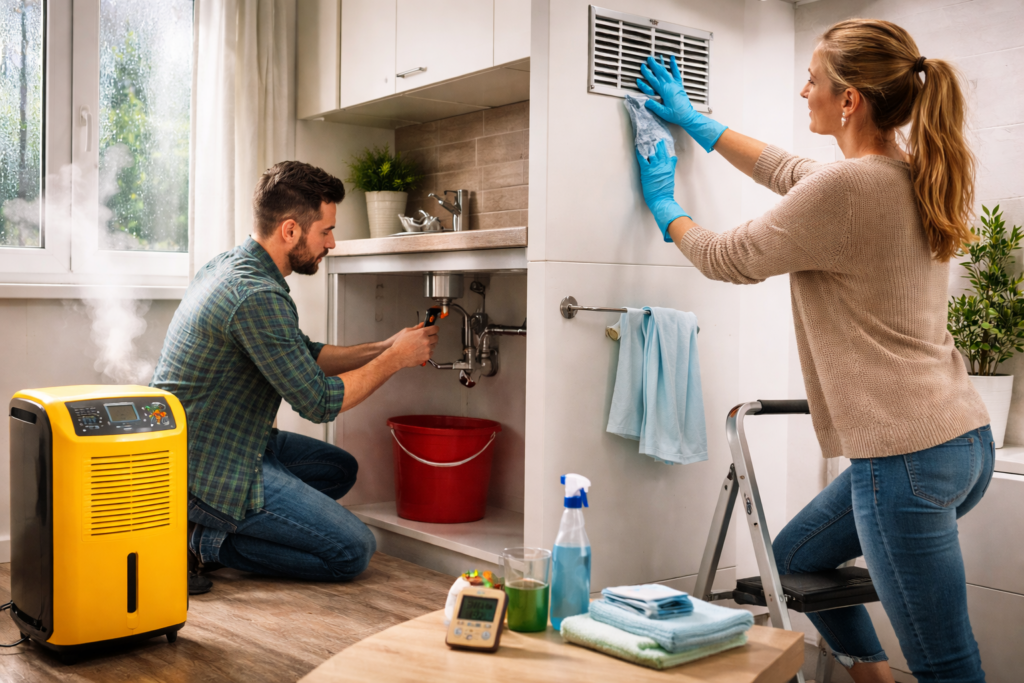
The best way to prevent hidden mold from becoming a health hazard is to take proactive steps to reduce moisture and improve ventilation in your home. Here are some practical tips:
1. Control Humidity Levels
Mold thrives in damp environments, so keeping your home’s humidity levels under control is essential. Use dehumidifiers in areas like basements and bathrooms, especially in the warmer months. The ideal indoor humidity level should be between 30% and 50%. A hygrometer can help you monitor this [1].
2. Address Water Leaks Immediately
Leaking pipes, roofs, or windows can create the perfect conditions for mold to grow. If you notice any leaks, repair them as soon as possible. This will help prevent water from accumulating in hidden places where mold can thrive.
3. Increase Ventilation
Proper ventilation is key to preventing mold growth. Make sure areas like the kitchen, bathroom, and laundry room are well-ventilated. Use exhaust fans or open windows to reduce moisture buildup. In attics and basements, ensure that air circulates properly to avoid dampness.
4. Inspect and Clean Your HVAC System
Your HVAC system can spread mold spores throughout the house if it’s not regularly cleaned and maintained. Change filters frequently and have your ducts cleaned professionally if you suspect mold growth inside them.
5. Hire a Professional to Inspect for Hidden Mold
If you suspect there might be hidden mold in your home but can’t pinpoint the source, consider hiring a professional mold inspector. These experts use specialized equipment to detect mold in areas you might not think to check. They can also help assess the severity of the infestation and recommend proper remediation.
What to Do If You Find Mold
If you discover visible mold in your home, it’s important to act quickly to prevent it from spreading. Small areas of mold (less than 10 square feet) can often be cleaned using soap, water, and a mixture of white vinegar or hydrogen peroxide. However, for larger infestations or if mold is hidden behind walls or ceilings, you should hire a professional mold remediation service.
Mold remediation professionals have the tools and expertise to safely remove mold and address the underlying causes of mold growth. They can also advise you on how to prevent mold from returning in the future.
Final Thoughts:

Hidden mold is more common than you might think, and it can have serious health consequences if left unchecked. By staying alert to the signs of hidden mold, taking preventive measures, and addressing mold problems quickly, you can protect both your home and your health.
If you suspect that hidden mold is affecting your home, don’t wait for it to get worse. Addressing the issue early is key to maintaining a safe, healthy living environment for you and your family.
Sources:
- Tielsch, J. M., et al. (2018). Indoor dampness, mold, and respiratory health in children: A review. International Journal of Environmental Research and Public Health, 15(9), 1987. https://www.mdpi.com/1660-4601/15/9/1987
- World Health Organization (WHO). (2009). WHO guidelines for indoor air quality: Dampness and mold. Retrieved from https://www.who.int/publications/i/item/9789289041683
- Centers for Disease Control and Prevention (CDC). (2008). Mold prevention strategies and possible health effects in the aftermath of hurricanes and major floods. Retrieved from https://www.cdc.gov/mmwr/preview/mmwrhtml/rr5508a1.htm