
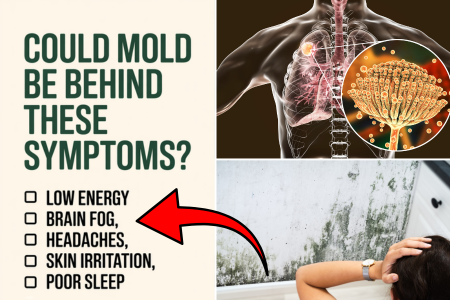
Some people spend years going from appointment to appointment. Getting bloodwork done. Being told everything looks normal. And still feeling like their body is quietly falling apart.
Fatigue that no amount of sleep fixes. Brain fog so thick they can barely get through a workday. Headaches that come from nowhere. A feeling that something is deeply wrong, even when nobody can tell them what.
You’ve probably heard stories like this. People who were written off, dismissed, or simply told to manage their stress better. Until one day something shifted, not because they found a new medication, but because they finally understood what their body had been reacting to all along.
💡For many of them, the answer was mold.
A researcher recently uncovered something inside the science on mold and the immune system that changes how this question gets answered entirely. What she found isn’t about medication or moving houses.
Why Mold Makes Some People Sick and Others Seem Fine
🔍Mold exposure is not a rare event. Mold spores are present in most indoor environments. The question is not whether you are exposed, it is how your body responds when it is.
Some people clear mold toxins efficiently. Their immune system identifies the threat, neutralizes it, and moves on. Others — roughly 25% of the population according to research, carry a genetic variation that makes it significantly harder for the body to recognize and eliminate mold toxins called mycotoxins.
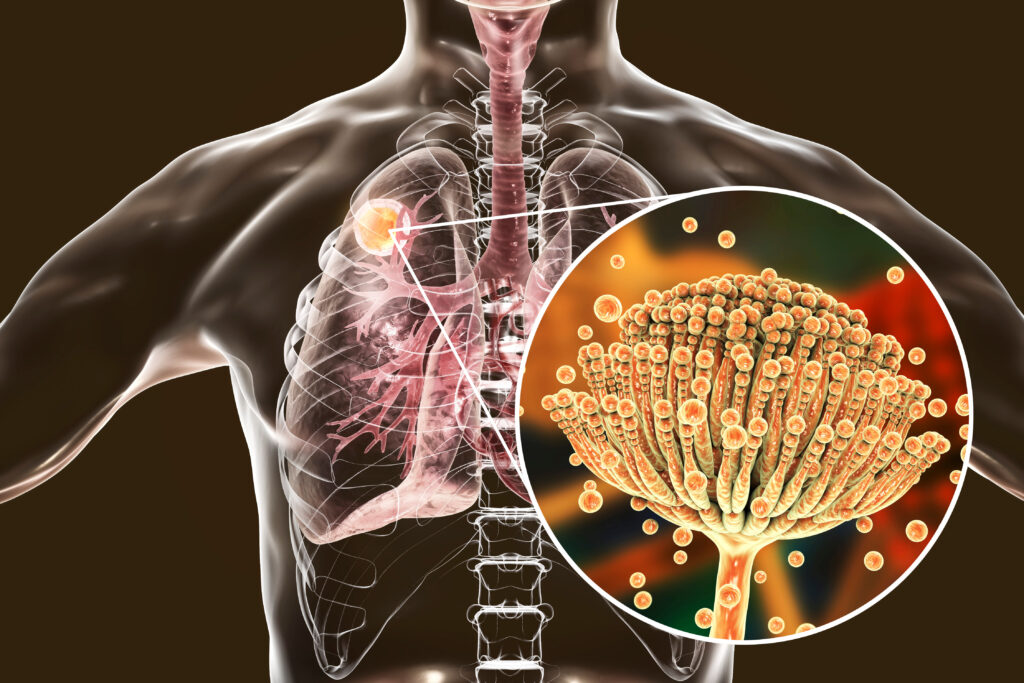
When mycotoxins are not cleared properly, they accumulate. And as they accumulate, they trigger a cascade of responses that can look like almost anything: chronic inflammation, hormonal disruption, immune dysregulation, and a general deterioration in how a person feels day to day.
This is not a psychological issue. It is a biological one. And it is one that standard lab panels were never designed to detect.
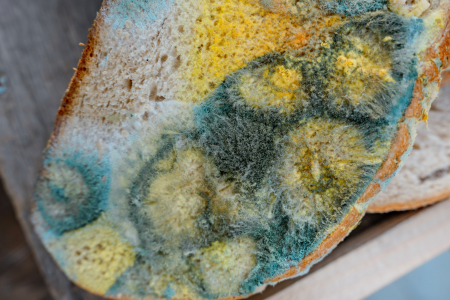
What Mold Actually Does to Your Body
This is where most conversations stop short. People hear “mold exposure” and think sneezing and a runny nose. The reality runs much deeper than that.
When mycotoxins enter the body and cannot be cleared properly, they begin to affect multiple systems at once.
The immune system goes into permanent alert. It stays in a heightened inflammatory state, responding as though the threat is ongoing, because for someone who cannot clear the toxins, it effectively is. This sustained immune activation is exhausting and damaging over time.
Hormones shift in ways that affect everything. The system that regulates stress response, energy, and sleep becomes dysregulated. Cortisol patterns change. Leptin — the hormone that signals fullness and regulates metabolism, often rises to abnormal levels, paradoxically leaving people feeling hungry, exhausted, and unable to manage their weight despite trying.
The gut lining takes damage. Mycotoxins are directly toxic to the intestinal lining. They disrupt the microbial balance that supports immunity and create a leaky gut environment that allows further inflammatory triggers into the bloodstream.
The nervous system becomes involved. Brain fog, word-finding difficulties, difficulty concentrating, and mood changes are among the most commonly reported symptoms, not because something is wrong structurally, but because the inflammatory signals triggered by mold toxins cross the blood-brain barrier and interfere with normal neurological function.
Cellular energy production slows. Mycotoxins interfere with mitochondrial function, the process by which cells produce energy. This is why mold-affected individuals often describe a fatigue that feels cellular and total, not just tired but depleted in a way that sleep does not touch.

⚠️ Common Signs Your Body May Be Reacting to Mold
Mold illness is one of the most searched and least understood conditions in chronic health, because its symptoms overlap with dozens of other diagnoses and rarely point clearly to a single cause.
Signs the body may be reacting to mold toxin accumulation:
- Fatigue that does not improve with sleep and gets worse after any exertion
- Brain fog, difficulty concentrating, or trouble finding words mid-sentence
- Headaches that appear without obvious cause and do not respond to typical remedies
- Unusual sensitivity to light, sound, or smell
- Shortness of breath or a feeling of not getting enough air without a diagnosed respiratory condition
- Joint pain or muscle aches that move around and have no clear structural explanation
- Mood changes, anxiety, or a low-grade sense of dread that feels disconnected from life circumstances
- Digestive disruption, bloating, nausea, or unpredictable reactions to foods previously tolerated
- Weight that does not respond to diet or exercise in expected ways
- A persistent feeling that something is wrong that no test has been able to explain
These patterns are not random. They share a common thread: a body in a state of prolonged, unresolved inflammationthat nobody has traced back to its source.
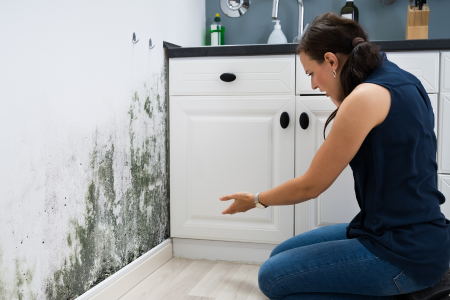
🏠 Where Is the Mold in Your Home And How to Find It
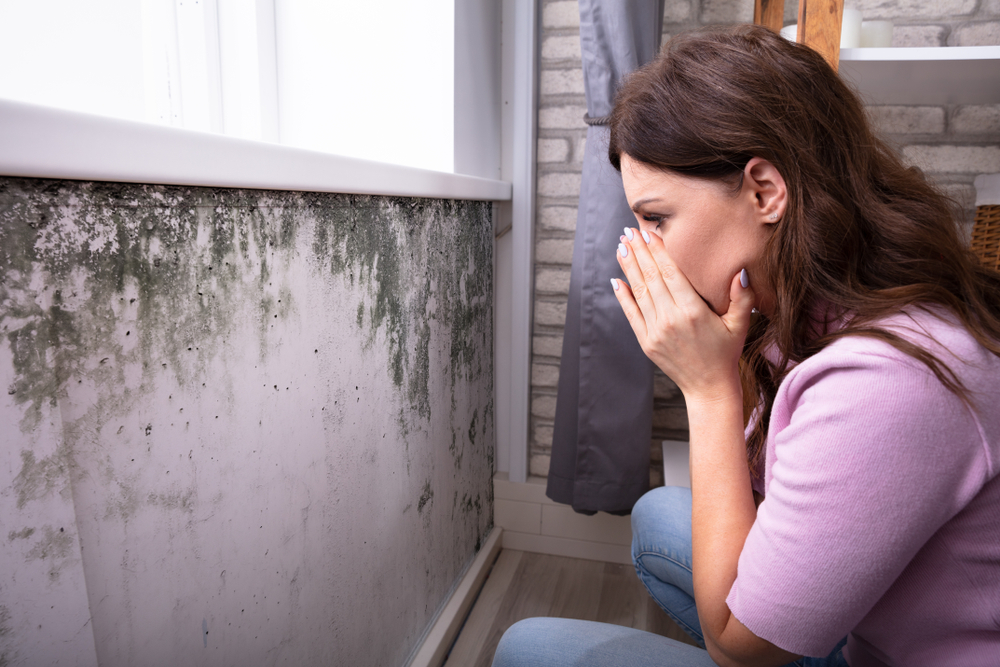
This is the part most people never investigate properly. Mold does not always announce itself. It does not always smell. And it does not always grow somewhere you can see it.
💡The most common hiding spots in a typical home:
- Behind walls near plumbing — especially under sinks, behind washing machines, and around dishwashers
- Inside HVAC systems and ductwork — where moisture collects and spores distribute through every room
- Under flooring — particularly around bathrooms, kitchens, and anywhere a slow leak has gone unnoticed
- In attic spaces — where roof leaks and poor ventilation create ideal conditions
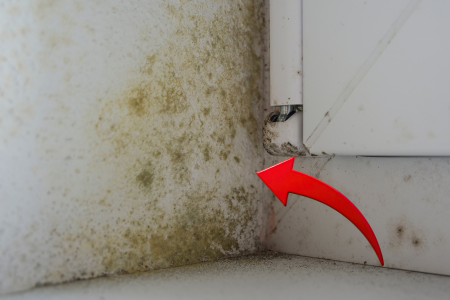
- Around window frames — condensation accumulates silently over years
- Inside walls after a flood or water damage event — even one that happened years ago and was considered resolved
- In basements and crawl spaces — especially in older homes or areas with high groundwater
Practical ways to check your home:
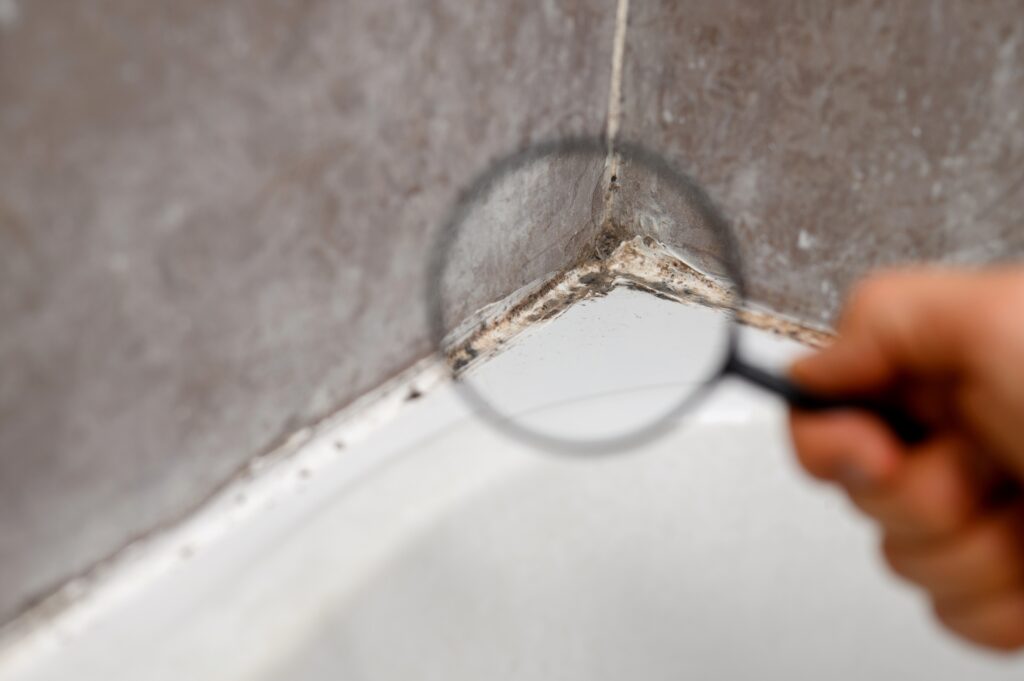
Start with your nose. A musty, earthy, or stale smell that you have gotten used to is one of the clearest indicators. People who live with mold often stop noticing it because the brain adapts, but visitors frequently pick it up immediately.
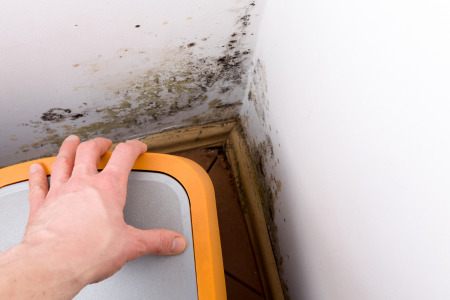
Check for visible discoloration. Mold is not always black. It appears as green, white, grey, or brown patches. Look behind furniture that sits against exterior walls, under bathroom mats, and around the base of toilets and tubs.
Use a hygrometer. This is a small, inexpensive device that measures indoor humidity. Mold thrives above 50% relative humidity. If rooms in your home consistently read above that threshold, particularly bedrooms and basements, conditions are favorable for mold growth even if you cannot see it yet.
Look for water stains on ceilings and walls. These indicate past or ongoing moisture intrusion. Even if the stain is dry now, mold may be active inside the wall material.
If three or more symptoms above sound familiar, this is worth watching →
Practical Tips to Reduce Mold in Your Home
You do not need to move or commission an expensive remediation to meaningfully reduce your mold exposure. These habits make a significant difference.
Run bathroom and kitchen fans during and for 20 minutes after use. Moisture from showers and cooking is the primary fuel for household mold. Exhausting that moisture before it settles on surfaces is the single most effective daily habit.
Keep indoor humidity below 50%. A small dehumidifier in bathrooms, basements, and bedrooms makes a measurable difference. Empty and clean the reservoir regularly, a neglected dehumidifier becomes a mold source itself.
Fix drips and slow leaks immediately. A dripping pipe under a sink that goes unaddressed for weeks creates conditions that take months to reverse. Small leaks are responsible for the majority of serious indoor mold problems.
Wash and dry bathroom mats weekly. Bath mats stay damp for hours after each use. Washing weekly and hanging to dry fully between washes prevents one of the most common household mold sources.
Check and clean refrigerator drip pans. Most people never do this. The drip pan collects moisture and organic material and sits in a warm, dark location, ideal mold conditions.
Ventilate closets. Clothes closets on exterior walls trap moisture and have poor air circulation. Leaving closet doors slightly open and avoiding overpacking improves airflow significantly.
Use a HEPA air purifier in bedrooms. Sleeping in cleaner air for eight hours has a meaningful impact on total spore exposure. Look for units rated for your room size and change filters on schedule.
Dry wet clothes and towels immediately. Leaving damp items in the washing machine or on the floor even for a few hours creates mold conditions. Transfer laundry to the dryer promptly and hang towels fully spread after use.

Can You Have Mold Illness Without Knowing You Have Mold?
This is one of the most common questions — and the answer matters enormously.
🔍 Symptoms can persist long after a person leaves a moldy environment. Mycotoxins are fat-soluble, which means they bind to fatty tissue and cell membranes and do not clear through normal elimination pathways the way water-soluble compounds do. A person who moved out of a water-damaged building two years ago may still be carrying a toxic burden their body has not been able to resolve.
This is why symptom improvement after moving is not always immediate, and why some people feel no better after leaving a problematic environment, leading them to doubt mold was ever the issue at all.
Watch the presentation to understand why and what may actually help →
🌿 What Supports the Body in Clearing Mold Toxins
Supporting the body’s ability to process and eliminate mycotoxins is not a simple intervention. But research points consistently to a set of inputs that support the process.
Binders taken away from food. Certain compounds bind to mycotoxins in the digestive tract and support elimination before they can be reabsorbed. Activated charcoal and specific dietary fibers have both been studied in this context. Timing matters: taken too close to food or supplements, they bind to nutrients rather than toxins.
Glutathione support. Glutathione is the body’s primary cellular antioxidant and plays a central role in how toxins are processed. Mold-affected individuals often show depleted levels. Supporting its production through precursors like N-acetyl cysteine is one of the most researched approaches.
Liver support. The liver is the primary detoxification organ and the system most burdened by mycotoxin accumulation. Milk thistle and dandelion root have been studied for their ability to support healthy liver function under toxic load.
Gut repair. Mold toxins disrupt the gut lining and microbial balance. Probiotic strains, particularly Lactobacillus rhamnosus and Saccharomyces boulardii, have shown promise in supporting gut integrity and reducing the inflammatory burden associated with mycotoxin exposure.
Daily Habits That Support Recovery
🏃Sweat regularly. The skin is an elimination organ. Exercise and infrared sauna use support toxin clearance through a pathway that does not additionally burden the liver or kidneys.
💧Nasal rinsing daily. The sinuses are a primary entry point for mold spores. Daily saline rinsing removes spores and supports the mucous membrane barrier before they can take hold.
😴Prioritize sleep. The brain’s waste clearance mechanism operates primarily during deep sleep. Protecting sleep quality is not optional during mold recovery, it is when much of the cellular cleanup work happens.
🥤Hydrate consistently. The kidneys are a primary elimination route and their function depends directly on adequate fluid intake. Many mold-affected individuals are mildly dehydrated because the inflammatory state increases fluid demand.
🥗Reduce dietary mold sources. Certain foods carry higher mycotoxin loads and add to the total burden the body has to manage: peanuts, corn, dried fruit, alcohol, and aged or processed cheeses are the most significant. Reducing these during recovery meaningfully lowers the input the body has to process.
What Researchers Are Finding About Mold Recovery at the Cellular Level
The habits above form a meaningful foundation. But researchers studying mold illness have been exploring something deeper: a mechanism that may be quietly working against recovery in many people long after their environment has been addressed.
It has to do with how efficiently the immune system recognizes and responds to mycotoxins once they have accumulated, and whether specific compounds can help restore that recognition in people whose system has become less responsive over time.
For people doing many things right and still finding that symptoms persist, this may be the piece of the picture they have not yet seen.
A researcher recently uncovered something inside this work that most conversations about mold and chronic illness never reach. What she found points to a mechanism that environmental changes and lifestyle habits alone may not fully address.
Final Thoughts:

Mold illness is not rare. It is not imaginary. And it is not something you simply have to live with. For too long, people carrying a real biological burden have been told their labs are normal, their symptoms are stress, and their only option is to manage and cope.
🔍 That is changing.
The research on mycotoxins, immune function, and recovery is growing, and what researchers are finding points to real, actionable answers for people who have been searching for a long time.
If any part of this article described your experience, know that the answers exist. The biology is understood. And the path forward is clearer than most people have been led to believe.
You are not imagining it. And you are not alone.