Some people reach their 70s and still move like they’re 50. Sharp mind. Good energy. Strong body. No dramatic interventions, just a quietly different way of living. This isn’t luck. And it’s not entirely genetics either. Researchers who study populations where people routinely live into their 90s and beyond have found something consistent: it’s rarely one thing. It’s a collection of small, unremarkable daily habits practiced so consistently they become invisible. This article breaks down what those habits actually are, why they work at a biological level — and what the latest science is revealing about how aging actually happens inside your cells.
This 197-Year-Old Man’s Longevity Secret Could Make Your Cells Younger
Why Some People Age Slower Than Others
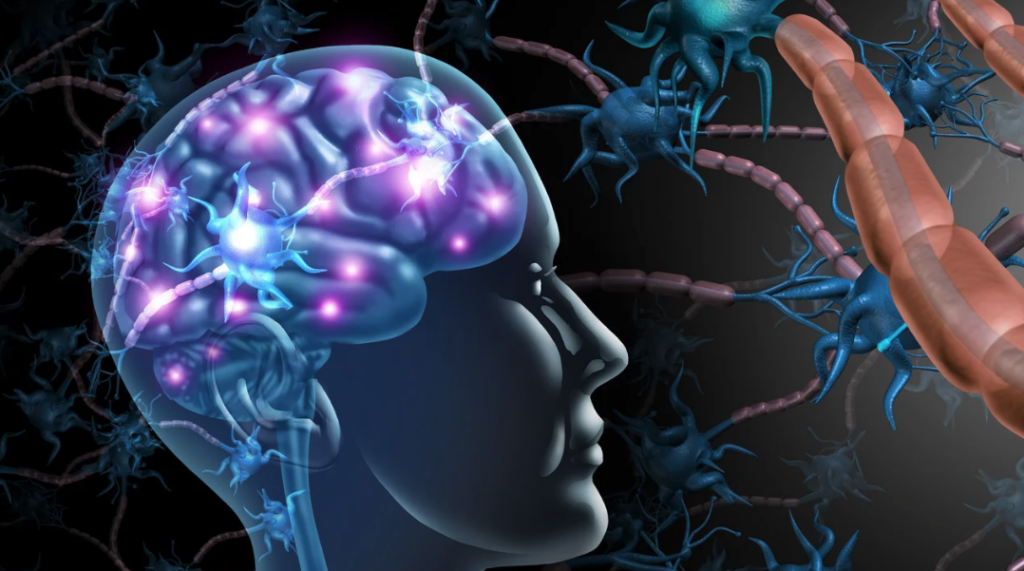
💡 Aging isn’t just time passing. It’s a biological process happening at the cellular level, and the pace of that process varies enormously from person to person. Every cell in your body contains structures called telomeres, protective caps at the end of each chromosome, similar to the plastic tips on a shoelace. Every time a cell divides, these caps shorten. When they shorten too much, the cell stops functioning properly.
This is one of the core mechanisms behind aging. But here’s what researchers have discovered: lifestyle factors directly influence how quickly telomeres shorten. Chronic stress, poor sleep, processed foods, and inactivity accelerate the process. Certain habits appear to slow it considerably. Recent research has even challenged the idea that telomere shortening is a one-way process, suggesting that under certain conditions, cellular aging markers may be reversible or improved. Aging is not a fixed speed. It’s a variable one.
What the Latest Research Is Revealing
👀 Science is moving fast on longevity. Here is what has emerged in the past 12–18 months that changes how researchers think about aging:
Mitochondria are more central than previously understood. Researchers recently found that by enhancing how mitochondria generate energy, they were able to extend both lifespan and healthspan in animal models. The animals showed better metabolism, stronger endurance, and fewer signs of cellular aging. The implication: how efficiently your cells produce energy may be as important as what you eat or how you exercise.
Social connection has measurable biological effects. A study published in the journal Brain, Behavior and Immunity found that social relationships can literally slow cellular aging, with strong social ties appearing to work in the background over many years, building a more resilient body by reducing the chronic, low-grade inflammation that drives accelerated aging.
Creative activity keeps the brain biologically younger. Research published in 2025 revealed that creative activities such as music, dance, painting, and certain strategic games may help keep the brain biologically younger. This isn’t about staying busy. It’s about the type of engagement.
Cellular “zombie cells” are a key aging accelerator. Researchers have identified what are called senescent cells, old, damaged cells that stop dividing but refuse to die. Instead they release inflammatory signals that damage surrounding healthy cells. Cellular rejuvenation research is now focused on developing ways to remove these senescent cells, which may be damaging younger cells around them and contributing to age-related conditions.
Aging may be more malleable than we thought. Harvard’s Dr. David Sinclair and colleagues have used partial cellular reprogramming techniques that temporarily reverse age-related changes in cells, and Sinclair predicts that age-reversing therapies in pill form may be available within the next decade.
Signs Your Body May Be Aging Faster Than It Should
💡 Biological age and chronological age are not always the same number. Common signs the body’s aging process may benefit from closer attention:
- Waking up tired even after a full night’s sleep
- Energy that peaks early and disappears by midday
- Joints that feel stiffer, especially in the morning
- A mind that feels slower or less sharp than it once did
- Skin that looks less vibrant or takes longer to recover
- Digestion that feels sluggish or less comfortable than before
- A general sense of running at a lower level than you used to
These experiences are common. But common does not mean inevitable. Researchers recently uncovered a longevity secret from one of the most unusual cases in medical history. It may change how you think about aging entirely.
The Daily Habits of People Who Age Slowly
1. They Move — But Not the Way You Think
People who age well don’t necessarily spend hours at the gym. What they do is move consistently throughout the day.
Research on long-lived populations found that natural, low-intensity movement built into daily life, walking, gardening, cooking from scratch, was more predictive of longevity than structured exercise alone.
The biology: prolonged sitting triggers a metabolic slowdown that even a dedicated hour of exercise cannot fully reverse. Movement distributed across the day keeps circulation active, supports lymphatic flow, and helps regulate blood sugar more effectively than one concentrated session.
How to build this in?
- Step 1. Set a simple rule, stand or walk for at least 5 minutes every hour
- Step 2. Add a 10–15 minute walk after your largest meal, research supports this for blood sugar regulation specifically
- Step 3. Make movement social where possible, longevity researchers consistently find that movement done with others compounds its benefits beyond the physical
- Step 4. Consider adding resistance, even light resistance training twice a week preserves muscle mass, which is one of the strongest predictors of longevity after 50
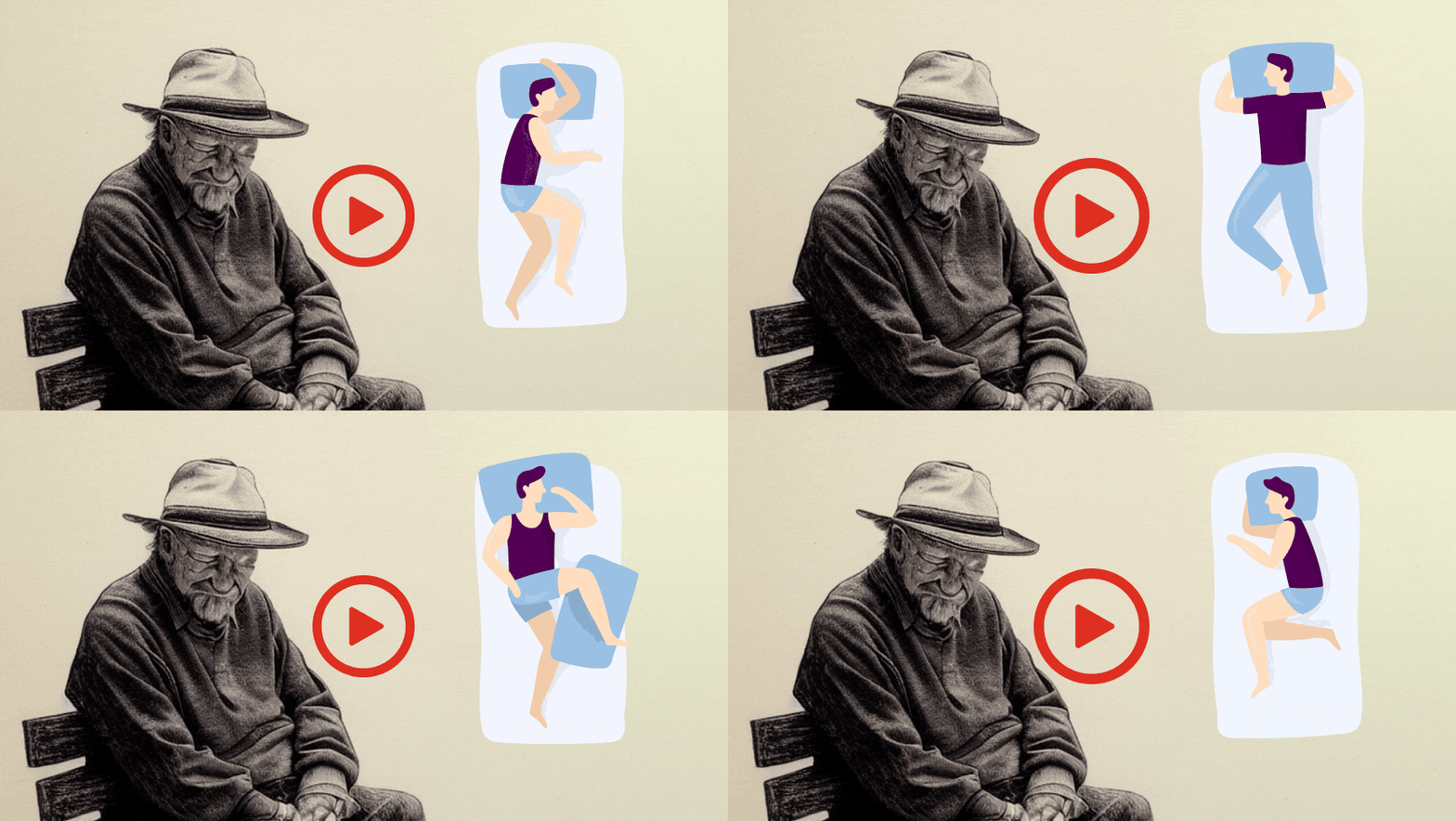
2. They Prioritize Sleep Like It’s Non-Negotiable
Sleep is when the body does most of its repair work. During deep sleep, the brain clears metabolic waste, cells regenerate, hormones reset, and the immune system consolidates its activity.
Chronic sleep deprivation, even mild, ongoing shortfalls, is associated with accelerated cellular aging, elevated cortisol, increased inflammation, and reduced cognitive performance over time.
Simple habits that support consistent sleep quality:
- Maintain a consistent sleep and wake time, including weekends, the circadian rhythm responds to regularity above everything else
- Keep the bedroom cool and as dark as possible
- Avoid screens in the hour before bed, blue light suppresses melatonin measurably
- Limit caffeine after early afternoon
- Avoid heavy meals within two hours of sleeping
3. They Manage Stress — Without Trying to Eliminate It
Chronic stress is one of the most well-documented accelerators of biological aging. It elevates cortisol, drives inflammation, disrupts sleep, and directly shortens telomeres over time.
But the goal is not to eliminate stress. Short bursts of stress are normal and healthy. What damages the body is stress that never fully resolves.
Practices with strong research support:
- Daily breath work: 5–10 minutes of slow deliberate breathing measurably lowers cortisol. Inhale 4 counts, hold 4, exhale 6
- Time in nature : outdoor exposure in green spaces reduces stress hormones and lowers blood pressure within minutes
- Real social connection: not social media. Regular, meaningful contact with people who matter
- A sense of daily purpose: people in long-lived populations contribute to their communities well into old age. The biology of purpose is real and measurable
4. They Keep Their Minds Actively Engaged
Cognitive decline is not inevitable. But it is influenced by how much the brain is genuinely challenged over time. People who age with sharp minds consistently engage in activities requiring learning, problem-solving, or creativity. Not brain training apps, genuine novelty and complexity. Research confirms that creative activities including music, dance, painting, and strategic games may help maintain biological brain youth, and the effect compounds over years of consistent engagement.
What to Eat Daily for Slower Aging
💡Food is information for your cells. What you eat daily either accelerates or slows the biological processes behind aging. Here is what the research consistently shows:
Eat every day:
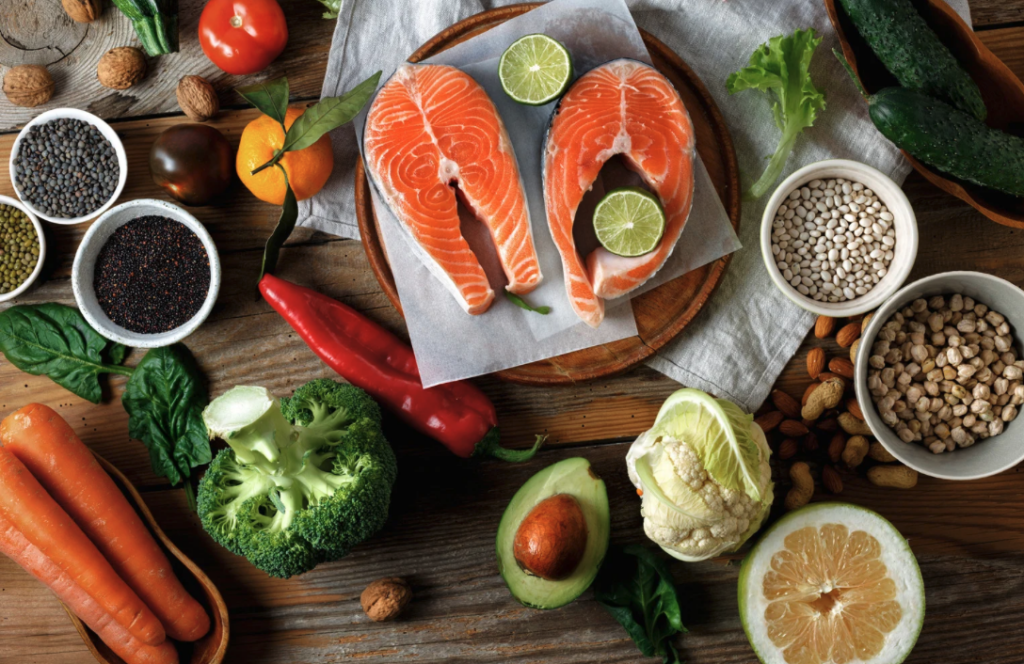
🫐 Berries: a handful with breakfast Blueberries, blackberries, and strawberries are among the highest dietary sources of anthocyanins — compounds that support cellular repair, reduce oxidative stress, and have been studied for their potential role in maintaining cognitive function with age. One cup daily is enough to make a difference.
🥦 Cruciferous vegetables: at least one serving Broccoli, cauliflower, Brussels sprouts, and kale activate a cellular pathway called Nrf2 — the body’s internal antioxidant system. This pathway is one of the key regulators of oxidative stress, a primary driver of cellular aging. Steam lightly rather than boiling to preserve the active compounds.
🐟 Fatty fish: 3 to 4 times a week Salmon, sardines, mackerel, and herring are rich in omega-3 fatty acids that directly support cell membrane integrity, reduce systemic inflammation, and have been associated with longer telomere length in population studies. If fish isn’t practical daily, a high-quality fish oil supplement covers the gap.
🫒 Olive oil: as your primary fat Extra virgin olive oil contains a compound called oleocanthal which has a similar anti-inflammatory mechanism to ibuprofen, but without the side effects. Long-lived Mediterranean populations use it generously, not sparingly. Two to three tablespoons daily is consistent with what researchers observe in these populations.
🥚 Eggs: daily or near-daily One of the most nutrient-dense foods available. Rich in choline, which supports brain cell membrane health, and lutein, which protects against age-related eye changes. The cholesterol concern has largely been addressed by more recent research, the nutrient density makes them one of the most practical longevity foods available.
🧄 Garlic: raw or lightly cooked Allicin, the active compound in garlic, supports cardiovascular health, has antimicrobial properties, and appears to support healthy immune function. Crushing or chopping garlic and waiting 10 minutes before cooking activates the allicin. One to two cloves daily is a consistent practice in many long-lived cultures.
🍵 Green tea: one to two cups daily Contains EGCG, one of the most studied compounds in longevity research. It supports cellular autophagy, the body’s internal clean-up process where damaged cells are broken down and recycled. This process slows significantly with age and can be supported through both fasting and compounds like EGCG.
🌰 Mixed nuts: a small handful as a snack Walnuts in particular are among the most researched nuts for longevity. Rich in alpha-linolenic acid, an omega-3 precursor, and polyphenols associated with reduced inflammation and better cardiovascular markers. A small handful, not a bowl, is consistent with what long-lived populations consume.
Eat less of:
- Ultra-processed foods: they drive systemic inflammation, the primary biological mechanism behind accelerated aging
- Excess sugar: disrupts insulin sensitivity, drives glycation (a process where sugar molecules damage proteins and DNA), and feeds chronic inflammation
- Alcohol in excess: even moderate regular consumption affects sleep quality, liver function, and cellular repair processes
- Large portions late at night: the body’s metabolic processes slow significantly after dark, and heavy evening meals interfere with the cellular repair that happens during sleep
One simple rule that covers most of it:
Research on time-restricted eating suggests that limiting food intake to an 8–12 hour window each day, and fasting the rest of the time, supports reduced fat mass, reduced inflammation, and better metabolic health, even without changing what you eat. Starting your eating window at 8am and closing it at 6pm is a practical version most people can sustain.
Unusual Hacks That Actually Have Research Behind Them
These aren’t mainstream wellness advice. But they have legitimate scientific backing, and they’re surprisingly simple.
1. Cold water face immersion — 30 seconds in the morning. Submerging your face in a bowl of cold water for 30 seconds activates the mammalian dive reflex, an ancient physiological response that immediately slows heart rate and activates the parasympathetic nervous system. It lowers cortisol measurably in minutes, something most people spend 20 minutes of breathwork trying to achieve. A bowl of cold water with a few ice cubes is all it takes.
2. Eat your largest meal at lunchtime, not dinner. Research on dietary timing aligned with circadian rhythms suggests that eating in coordination with the body’s biological clock may extend health, and the body processes calories consumed earlier in the day significantly more efficiently than the same calories consumed at night. Swapping your largest meal from evening to midday is one of the highest-leverage dietary changes available that requires no change in what you eat.
3. Humming for vagal tone. The vagus nerve is the body’s primary parasympathetic pathway, it connects the brain to the heart, gut, and immune system and plays a central role in inflammation regulation. Humming, singing, and gargling all stimulate the vagus nerve directly. Five minutes of humming in the shower has measurable effects on heart rate variability, a key biomarker of biological resilience and aging. It sounds odd. The biology is not.
4. Walking barefoot on grass or soil — 10 minutes daily. Called grounding or earthing, this practice involves direct skin contact with the earth’s surface. Research has explored its potential to reduce inflammatory markers and support better sleep, theorizing that direct electron transfer from the earth’s surface may influence oxidative stress. The evidence is preliminary but consistent, and the barrier to trying it is essentially zero.
5. Viewing natural light within 10 minutes of waking. This is one of neuroscientist Andrew Huberman’s most cited protocols, and it has straightforward biology behind it. Early morning light exposure anchors the circadian rhythm by triggering a cortisol pulse at the right time of day. This has downstream effects on sleep quality, mood, metabolic function, and immune regulation throughout the following 24 hours. No special equipment needed, step outside and look toward the sky for 5–10 minutes. Overcast days still work.
6. The “NASA nap” — 20 minutes, no longer. NASA research on pilot performance identified that a precisely timed 20-minute nap improved cognitive performance by up to 34% and alertness by 100%. The key is the 20-minute limit, sleeping longer enters deeper sleep stages and produces grogginess. Set an alarm. Lie flat. Even if you don’t fully sleep, the rest period itself has restorative effects on cellular repair processes.
7. Protein before carbohydrates at meals. Eating protein and fat before carbohydrates at the same meal blunts the blood sugar spike from those carbohydrates by up to 37% according to research from Cornell University. The mechanism: protein and fat slow gastric emptying, giving the body more time to regulate glucose absorption. No change in what you eat, just the order in which you eat it.
8. Regular mild heat exposure — sauna or hot bath. Sauna use has been studied extensively in Finnish populations, one of the longest-lived in northern Europe. Regular heat exposure activates heat shock proteins, which support cellular repair, reduce inflammation, and appear to support cardiovascular health over time. For those without sauna access, a hot bath at 104°F for 20 minutes produces similar physiological responses.

What Researchers Are Uncovering About Cellular Aging
💡The habits above form the foundation. But researchers studying longevity at the cellular level have been exploring something deeper, a biological process that may be quietly accelerating aging in many people long before any visible signs appear. Scientists are finding that improving cellular energy production at the mitochondrial level may help slow the aging process itself, and that the signals driving this are influenced by factors most standard health conversations never address.
For people doing everything right, eating well, sleeping enough, staying active, and still not feeling as sharp, energetic, or resilient as they expect, this may be the piece that changes how they think about aging entirely. A physician recently uncovered a longevity secret hidden inside one of the most remarkable cases in recorded history. What he found points to something happening inside your cells, something most health conversations never reach.
Final Thoughts:

People who age slowly are not doing anything heroic. They are not following extreme protocols or spending hours optimizing their biology.They are doing simple things, moving consistently, eating real food in the right order at the right times, sleeping well and managing stress.
🔍 The research is now clear: biological aging is not fixed. It is influenced, day by day, by how we live. And the gap between people who age well and those who don’t is less about genetics than most people assume, and more about the quiet accumulation of small daily choices.
Start with one habit. Practice it until it requires no thought. Then add another. And if you have been living well and still feel like something is working against you, something you cannot quite name, it may be worth looking at what researchers have recently uncovered about what else influences how we age.