What if the puffiness in your face… the heaviness in your legs… and that sluggish feeling you can’t quite explain has less to do with your age, and more to do with a hidden drainage system inside your body?
Most people know about blood circulation. Very few ever hear about lymph circulation. And yet this quiet system runs through nearly every part of your body, helping move fluid, support immune defenses, and carry away cellular waste your body no longer needs. Unlike blood, however, lymph doesn’t have a heart to pump it. It moves only when you move. That’s why modern habits: sitting for hours, shallow breathing, lack of walking, can quietly slow it down.
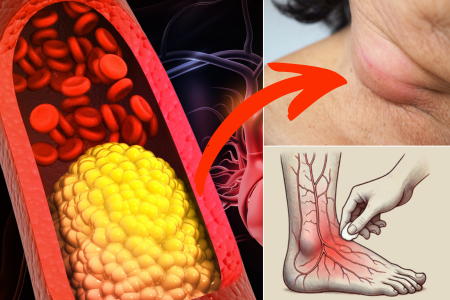
And when lymph flow becomes sluggish, people often start noticing things like:
- Puffy eyes in the morning
- Swollen fingers or ankles later in the day
- A heavy feeling in the legs
- Skin that looks dull or congested
- A general sense of sluggishness
Most people assume this is just part of getting older. But often, it’s simply the result of a lymphatic system that isn’t moving the way it should.
The good news? There are surprisingly simple ways to help encourage healthy lymph flow again, and many of them take only a few minutes.
Why Lymph Flow Matters More Than People Think
Your lymphatic system is like your body’s internal drainage network. It helps transport immune cells, manage fluid balance, and move waste products away from tissues.
When it’s moving freely, you rarely notice it. But when lymph circulation slows down, fluid can linger longer in certain areas — especially in the face, neck, arms, and legs. That’s why people sometimes wake up looking puffy or feel heavier at the end of the day.
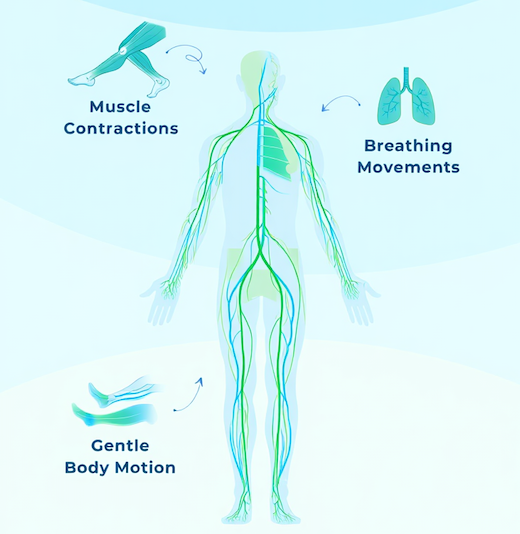
Your lymph system depends on three major things to keep moving:
- Muscle contractions
- Breathing movements
- Gentle body motion
Without those, lymph flow can slow considerably. And unfortunately, modern lifestyles tend to work against all three.
⚠️ The Everyday Habits That Quietly Slow Lymph Flow
If you often feel puffy, sluggish, or heavy, it may not be random. Certain habits can quietly slow lymph circulation over time. Some of the biggest ones include:
Sitting for long stretches: Your legs contain many of the vessels that move lymph upward through the body. When your muscles stay still for hours, lymph movement slows.
Shallow breathing: Deep breathing naturally compresses and releases lymph vessels in the chest. Shallow breathing reduces this effect.
Dehydration: Lymph fluid is largely water. When hydration is low, movement through lymph channels can become less efficient.
Highly processed foods: Diets high in sodium and processed ingredients may contribute to fluid retention in some people.
And here’s the surprising part: Some of the habits people repeat every single morning may be quietly slowing lymph movement without them realizing it.
👉 See the common mistake that may be slowing lymph flow »
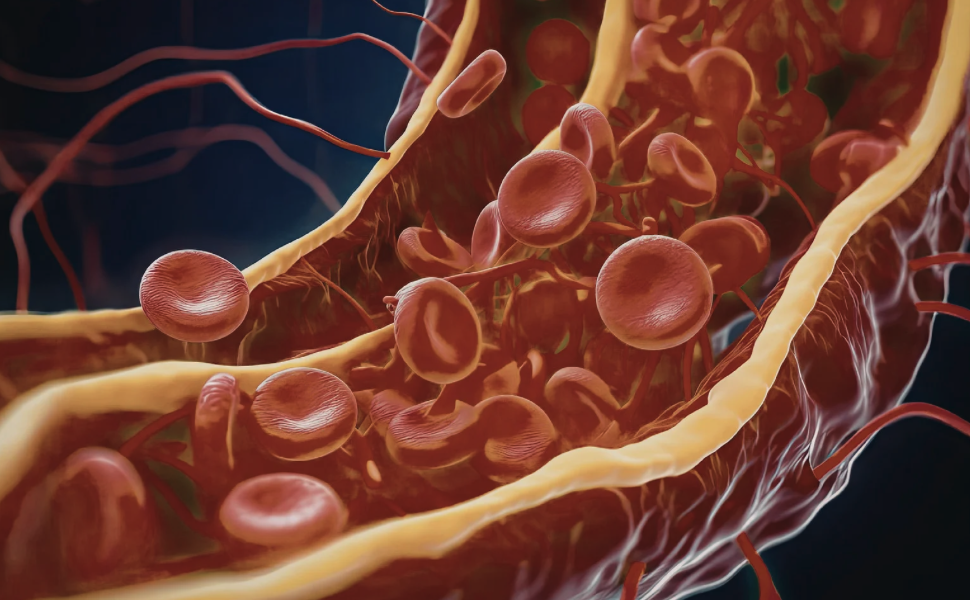
The 5-Minute “Lymph Wake-Up” Routine
One of the easiest ways to support lymph movement is a short morning routine that activates the body’s natural pumps.
You don’t need equipment. You don’t need supplements. And it only takes about five minutes.
Step 1: Deep Diaphragmatic Breathing (1 minute)
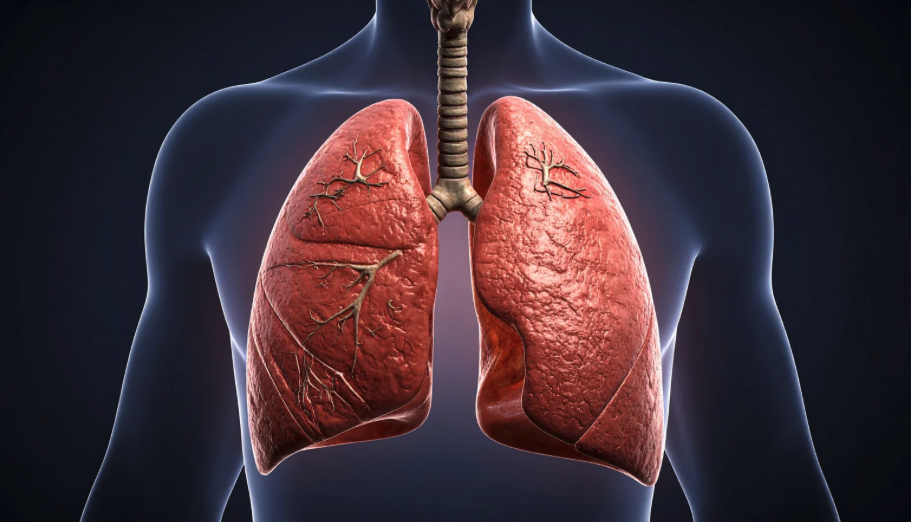
Sit or stand comfortably. Take slow breaths through your nose, expanding your belly on each inhale. Then exhale slowly. Your diaphragm acts like a pump for lymph flow through the chest. Just 10–12 deep breaths can help stimulate circulation.
Step 2: Collarbone Activation (1 minute)
Place your fingertips just above your collarbones. Use gentle circular motions for about 30 seconds on each side. This area sits near one of the body’s major lymph drainage points. Light stimulation here can help encourage flow.

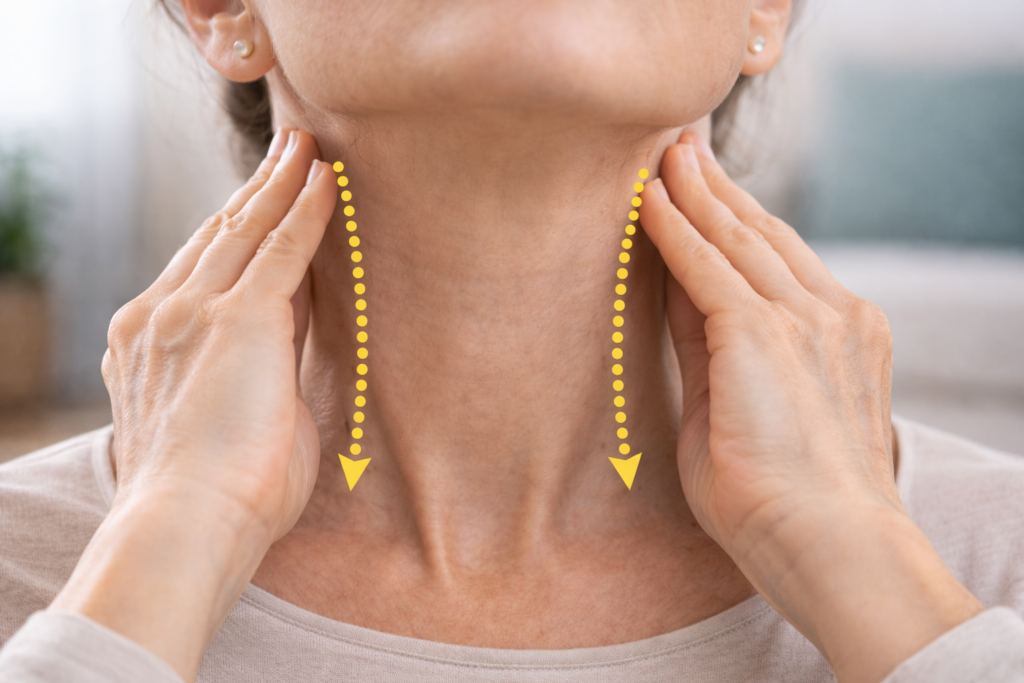
Step 3: Neck Drainage Strokes (1 minute)
Using light pressure, sweep your hands from just below your ears down the sides of your neck toward your collarbones. Repeat slowly about 10–15 times. Remember: lymph vessels sit close to the skin, so gentle pressure works best.
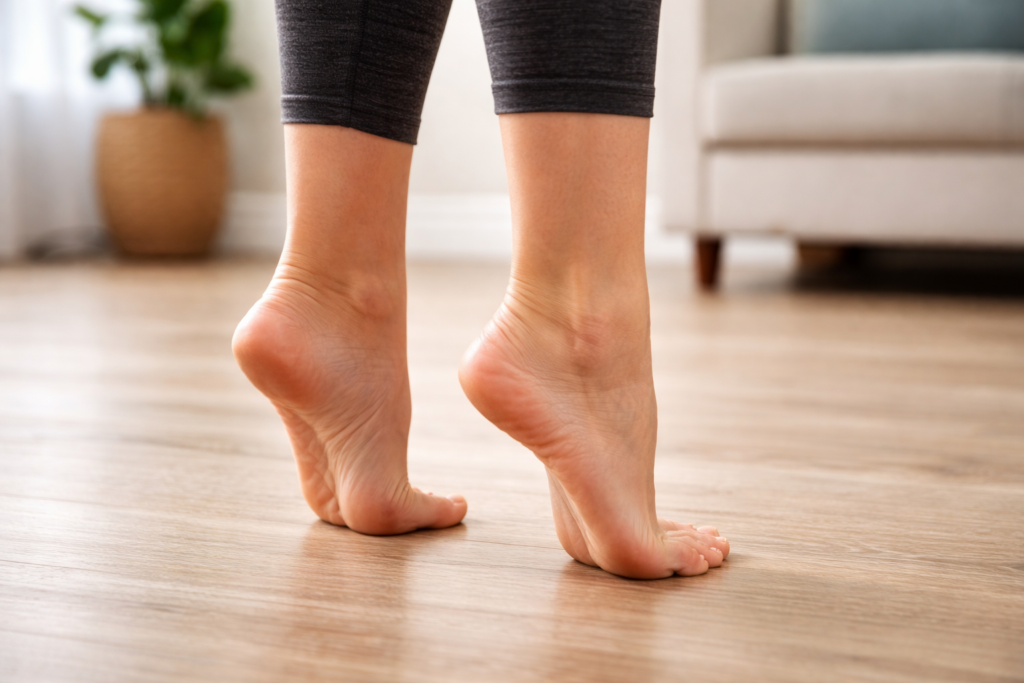
Step 4: Leg Pump Movement (1 minute)
Stand up and perform a simple calf pump: Rise onto your toes and lower back down. Repeat 30–40 times. Your calf muscles act like “secondary hearts” that help move fluid upward.
Step 5: Quick Walk (1 minute)
Even one minute of brisk walking or marching in place activates muscles throughout the body and helps keep lymph fluid moving. It may seem simple, but many people report feeling noticeably lighter and more energized after just a few days of doing this routine.

🌿Herbs Traditionally Associated With Lymph Support
For centuries, herbal traditions have included certain plants that were commonly used to support fluid balance and lymphatic health. Some of the most well-known include:
Cleavers (Galium aparine)
Often referred to as a “lymph herb,” cleavers have a long history in traditional herbal practices related to fluid movement.
Red Clover
Traditionally used in herbal detox preparations and valued for its naturally occurring plant compounds.
Echinacea Root
Widely known for immune support, echinacea has also been used historically in herbal traditions involving lymphatic wellness.
Burdock Root
Used in traditional herbalism to support skin clarity and natural detox pathways. These herbs have been used in various teas, tinctures, and herbal preparations for generations.
The One Thing Most People Forget About the Lymphatic System
Here’s something interesting. Your lymph system actually becomes more active at night while your body is resting. During sleep, your body shifts into repair mode, moving fluid, waste, and immune cells throughout the lymphatic network. That’s one reason many people notice puffiness in the morning. Fluid has been moving all night… but if lymph circulation is sluggish, it can temporarily collect in certain areas.
Most people try to fix this with coffee, skincare products, or quick cosmetic tricks. But the real key is supporting the system itself.
👉 See the natural method to support lymph flow daily »
A Gentle Way to Support Your Body’s Natural Drainage System
Your lymphatic system works quietly in the background every day. Supporting healthy lymph flow may help the body maintain:
- Balanced fluid levels
- Healthy immune activity
- Clearer-looking skin
- A lighter, less “puffy” feeling

Simple habits like deep breathing, walking, and gentle massage can already make a difference. But many people also look for targeted herbal support designed specifically for lymphatic health. If you’d like to see the natural approach many people are turning to for daily lymphatic support, you can learn more here:
👉 See the lymph support method to feel lighter and less puffy »