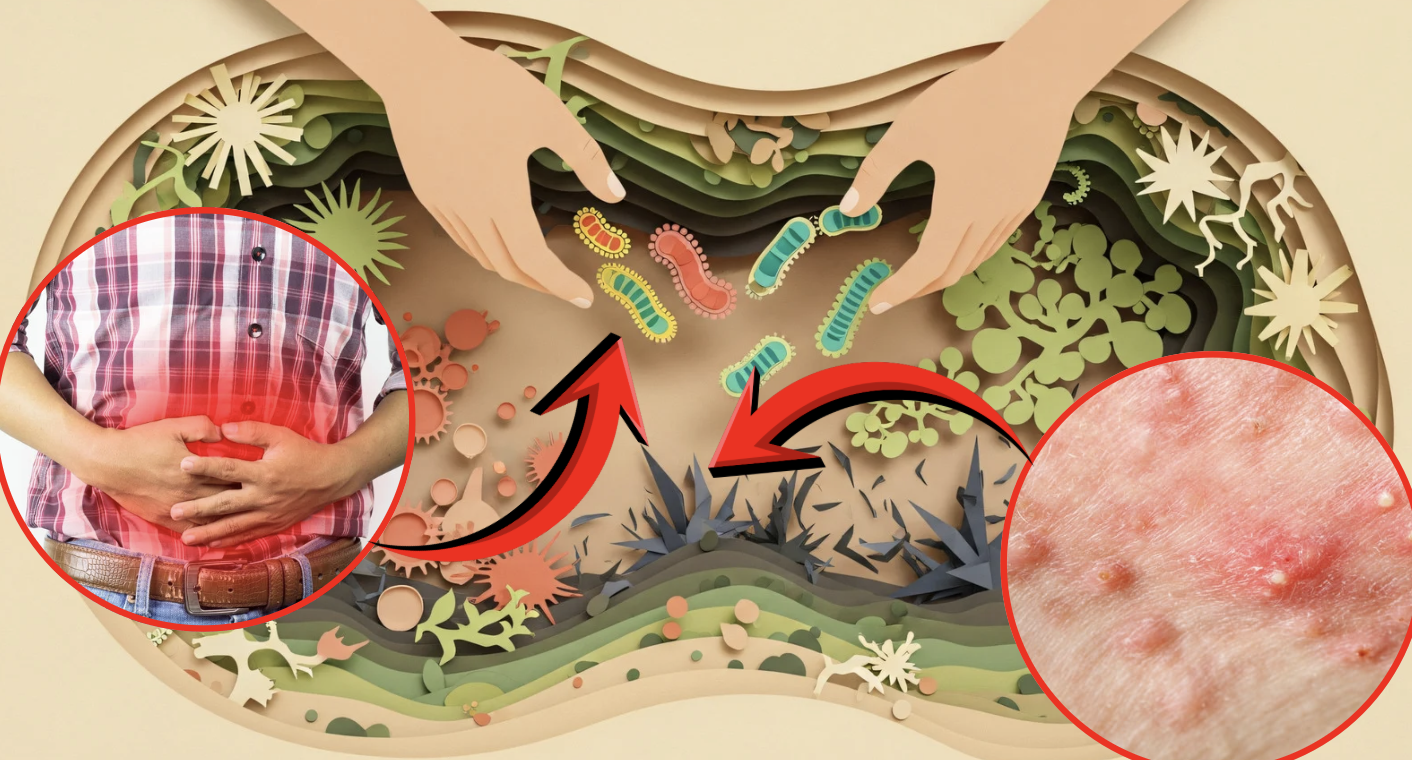
Digestive discomfort, fatigue, and reduced mental clarity are common complaints after the holiday season, and these symptoms are often linked to disruptions in the gut microbiome. The gut microbiome, a vast ecosystem of trillions of microorganisms residing in the gastrointestinal tract, plays a critical role in digestion, immune function, metabolic regulation, and even cognitive performance [1].
Short-term dietary indulgences, including high intake of sugar, alcohol, and ultra-processed foods, can significantly impact microbial diversity and gut barrier function [2]. Fortunately, the gut is adaptable and capable of restoration with appropriate dietary and lifestyle strategies.
This structured, 3-day microbiome reset is designed to support microbial balance, reduce inflammation, and promote gastrointestinal homeostasis using evidence-based interventions.
Day 1: Reduce Inflammatory Load and Eliminate Disruptors
Rationale
Excess intake of refined carbohydrates, alcohol, and processed fats during the holidays can lead to:
- Increased intestinal permeability (“leaky gut”)
- Elevated levels of pro-inflammatory cytokines
- Dysbiosis (microbial imbalance) [3]
Objectives
- Mitigate acute inflammation
- Limit substrates that feed opportunistic microbes
- Enhance hydration and detoxification
Evidence-Based Strategies
- Remove common dietary triggers: Alcohol, added sugars, processed snacks, fried foods, and gluten-containing grains
- Hydrate consistently: Aim for 2.5–3 liters of water daily, optionally infused with lemon or herbs
- Consume anti-inflammatory meals: Emphasize cooked vegetables, healthy fats (e.g., olive oil, avocado), and broths
Sample Meal Plan:
- Breakfast: Warm lemon water followed by chia seed pudding with berries
- Lunch: Steamed cruciferous vegetables with wild salmon and olive oil
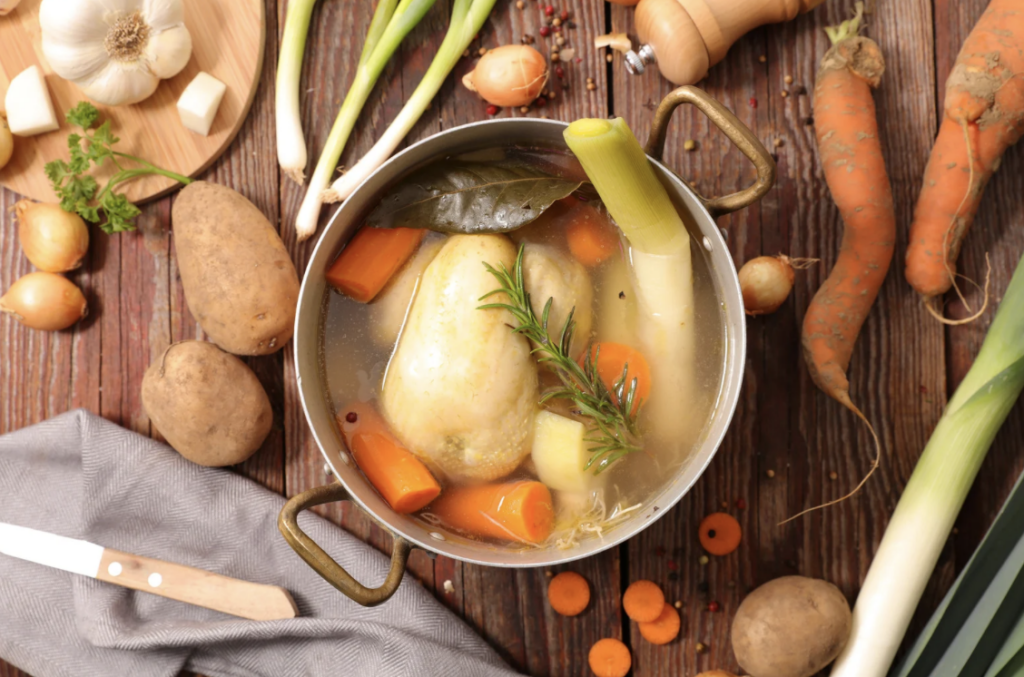
- Dinner: Bone broth with ginger, carrots, zucchini, and turmeric
Day 2: Repopulate Beneficial Microbes and Repair the Gut Lining
Rationale
Post-holiday dysbiosis can be improved through reintroducing prebiotics (non-digestible fibers that nourish beneficial bacteria) and probiotic-containing foods. Additionally, nutrients that support intestinal epithelial regeneration, such as glutamine and polyphenols, are essential for restoring mucosal integrity [4].
Objectives
- Encourage recolonization of commensal bacteria
- Promote intestinal barrier repair
- Improve digestive enzyme activity
Evidence-Based Strategies
- Include prebiotic fibers: Found in leeks, asparagus, garlic, green bananas, and artichokes
- Consume fermented foods: Sauerkraut, kimchi, kefir, unsweetened yogurt, or coconut yogurt
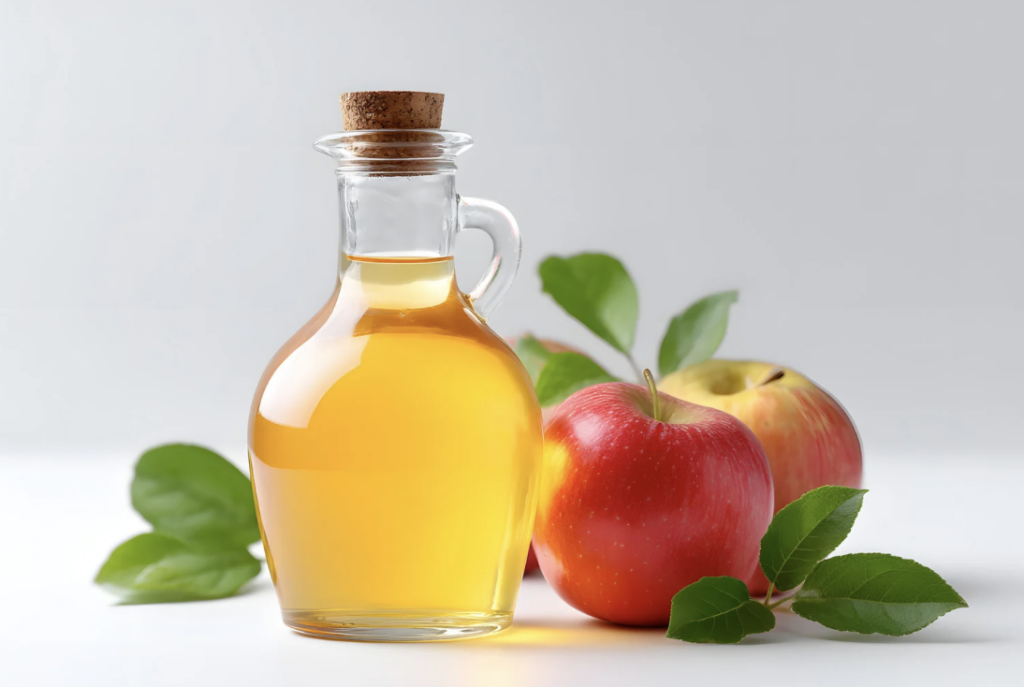
- Support enzymatic digestion: Add apple cider vinegar or bitter herbs before meals, or incorporate foods naturally high in enzymes (e.g., papaya, pineapple)
Sample Meal Plan:
- Breakfast: Smoothie with banana, spinach, kefir, and flaxseed
- Lunch: Quinoa bowl with roasted vegetables, avocado, and fermented kraut
- Dinner: Grilled poultry with sautéed greens and roasted sweet potato
Day 3: Stabilise the Microbiome and Support Long-Term Balance
Rationale
Sustainable gut health depends on maintaining microbial diversity, immune regulation, and stress mitigation. Psychological stress alone can disrupt gut barrier function and alter microbiome composition through the gut-brain axis [5].
Objectives
- Reintroduce dietary diversity to support microbial richness
- Stabilize blood glucose to minimize inflammatory spikes
- Address stress-induced dysbiosis
Evidence-Based Strategies
- Incorporate broad-spectrum fermented foods: To support microbial diversity
- Balance macronutrients at meals: Combine fiber, protein, and healthy fats to support metabolic stability
- Manage stress physiologically: Employ techniques like diaphragmatic breathing, yoga, or mindfulness meditation
Sample Meal Plan:
- Breakfast: Scrambled eggs with spinach and avocado
- Lunch: Lentil soup with a side of fermented beets
- Dinner: Baked cod with cauliflower mash and lightly sautéed kale
Final thoughts:
The gastrointestinal system is highly responsive to both negative and positive environmental inputs. While holiday-related indulgences can trigger short-term dysbiosis and inflammation, a focused three-day dietary intervention emphasizing whole foods, prebiotics, fermented products, and hydration can effectively support microbial rebalancing and digestive restoration.
This protocol does not rely on extreme elimination or detox strategies. Instead, it promotes a return to physiological balance using principles rooted in current microbiome science. Individuals following this approach may experience improvements in digestion, energy, mood, and overall well-being within days, while also laying the groundwork for longer-term gut health.
References:
- Marchesi, J.R.; Adams, D.H.; Fava, F.; et al. The gut microbiota and host health: A new clinical frontier. Gut 2016, 65(2), 330–339. https://gut.bmj.com/content/65/2/330
- David, L.A.; Maurice, C.F.; Carmody, R.N.; et al. Diet rapidly and reproducibly alters the human gut microbiome. Nature 2014, 505, 559–563. https://www.nature.com/articles/nature12820
- Cani, P.D.; Bibiloni, R.; Knauf, C.; et al. Changes in gut microbiota control metabolic endotoxemia-induced inflammation in high-fat diet–induced obesity and diabetes in mice. Diabetes 2008, 57(6), 1470–1481. https://doi.org/10.2337/db07-1403
- Holscher, H.D. Dietary fiber and prebiotics and the gastrointestinal microbiota. Gut Microbes 2017, 8(2), 172–184. https://www.tandfonline.com/doi/full/10.1080/19490976.2017.1290756
- Choi, S.; Cho, Y.; Do, J.H. Gut microbiome and its implications for mental health. Psychiatry Investig 2021, 18(7), 597–608. https://pmc.ncbi.nlm.nih.gov/articles/PMC5641835/