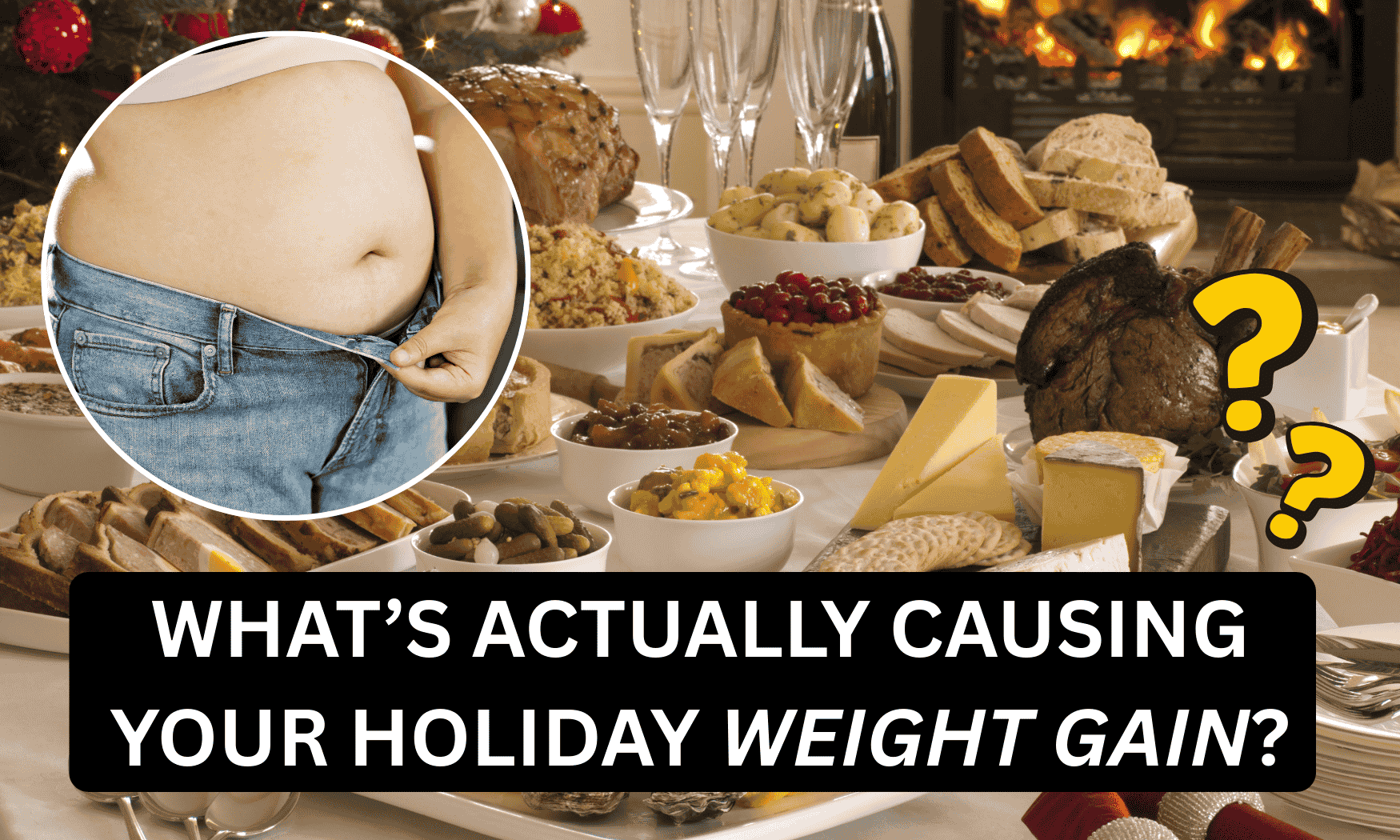
The holiday season is often synonymous with indulgence, festive meals, baked goods, rich comfort foods, and celebratory drinks. Many people expect to gain a few pounds during this time, often chalking it up to fat accumulation. But there’s a catch: most of that extra holiday weight isn’t fat at all, it’s inflammation.
Temporary weight fluctuations during the holidays are frequently caused by systemic inflammation, which leads to water retention, digestive discomfort, and bloating. While fat gain can occur with prolonged overeating and inactivity, it’s important to understand the role of inflammation, so you can respond with smarter, science-backed strategies instead of falling into a cycle of guilt and restriction.
What Is Inflammation?
Inflammation is your body’s natural defense mechanism against infection, injury, and stress. Acute inflammation helps fight pathogens and promote healing. For example, if you cut your finger, your immune system sends white blood cells to the area to prevent infection, causing redness and swelling. That’s a healthy response.
But when inflammation becomes chronic and low-grade, it can quietly undermine your health. Instead of protecting you, it may contribute to weight gain, insulin resistance, digestive problems, fatigue, and even mood disturbances.
This chronic inflammation doesn’t always produce obvious symptoms, but it can be influenced by a wide range of holiday-related factors, including food choices, alcohol intake, stress levels, and poor sleep.
Why the Holidays Trigger Inflammation
Let’s explore the most common holiday habits that contribute to inflammation, and how they can add weight that isn’t technically fat.
1. Sugar, Fat, and Ultra-Processed Foods
Holiday meals and snacks often contain high levels of sugar, refined carbohydrates, saturated fats, and preservatives. While delicious, these ingredients can overstimulate the immune system.
Research has shown that frequent consumption of high-glycemic and processed foods increases pro-inflammatory cytokines, signalling proteins that trigger immune responses [1]. These foods can also spike blood sugar and insulin, both of which contribute to oxidative stress and water retention.
The result? A body that feels puffy, bloated, and heavy, not because you’ve gained fat, but because your immune system is on high alert.

2. Alcohol and Its Impact on Gut Health
From mulled wine to holiday cocktails, alcohol is often part of the celebration. But alcohol disrupts gut barrier integrity, increasing intestinal permeability (a condition often referred to as “leaky gut”). This allows unwanted particles to pass into the bloodstream, triggering inflammation and immune activation [2].
Alcohol also alters gut microbiota composition, reducing beneficial bacteria and promoting the growth of pro-inflammatory species. Combined, these effects make it harder for your digestive system to cope with the heavier meals and sugar influx common during the holidays.
Even moderate alcohol consumption can lead to an increase in C-reactive protein (CRP), a blood marker of systemic inflammation, particularly when paired with a poor diet.
3. Stress and Cortisol Overload
While the holidays can be joyful, they can also be stressful. Travel, financial pressures, family obligations, and disrupted routines can activate the hypothalamic-pituitary-adrenal (HPA) axis, causing a rise in cortisol, the body’s primary stress hormone.
Elevated cortisol promotes the release of inflammatory mediators, disrupts sleep, and increases cravings for sugary and fatty foods. Over time, this can contribute to a metabolic environment that favors weight gain, even if your total caloric intake hasn’t changed dramatically [3].
4. Sleep Disruption and Inflammatory Signaling
Poor sleep — whether due to social events, travel, or stress, directly affects your body’s ability to manage inflammation. Inadequate sleep has been associated with increased CRP levels, impaired glucose regulation, and greater feelings of hunger due to hormone imbalances.
A systematic review of cohort studies concluded that short or disrupted sleep increases systemic inflammation and compromises immune function [3]. This can amplify the effects of an already inflammatory diet and lifestyle during the holidays.
How Inflammation Shows Up on the Scale
So, what does this all mean for your body weight?
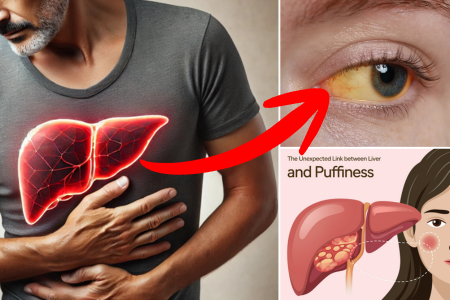
When your immune system is in overdrive, it often retains water to dilute inflammatory substances, creating a sense of bloating or puffiness. You might notice swelling in your face, hands, or midsection — areas where the body stores extracellular fluid during times of stress or imbalance.
In addition, the gut may become sluggish or constipated due to a change in fiber intake, dehydration, or disrupted gut flora. This adds temporary bulk to your midsection and can lead to further inflammation in the digestive tract.
The takeaway? That two or three pounds you gain in December is often not fat, but fluid, inflammation, and digestive residue. It’s not permanent and can often resolve within days to weeks once normal routines resume and inflammation is brought under control.
Practical Ways to Reduce Inflammation After the Holidays
You don’t have to give up your favorite foods to feel better, but being aware of inflammation and how to counteract it can help you stay comfortable, energized, and confident during and after the holidays.
Here are practical strategies to reduce inflammation and support your body’s natural balance:
💧 1. Hydrate More Than Usual
Water helps flush out sodium, alcohol, and inflammatory waste products. Aim for at least 8–10 cups daily, and add lemon or cucumber for gentle detox support.
🥦 2. Focus on Whole, Anti-Inflammatory Foods
Incorporate more vegetables, leafy greens, berries, omega-3-rich foods (like salmon and walnuts), and fermented foods to help rebalance your gut and reduce systemic inflammation.
🚶 3. Move After Meals
A light walk after eating improves insulin sensitivity, supports digestion, and lowers post-meal blood sugar, reducing inflammatory load on the body.
💤 4. Prioritize Sleep and Downtime
Aim for 7–9 hours of sleep per night and allow yourself moments of rest during the day to reduce cortisol and inflammation.
🧠 5. Manage Stress in Small Moments
Try short breathing exercises, gentle stretching, or mindfulness to bring your nervous system out of fight-or-flight mode.
Final Thoughts:
It’s time to reframe how we think about holiday weight gain. What many of us perceive as fat accumulation is often temporary inflammation, triggered by seasonal dietary shifts, alcohol, stress, and disrupted sleep. Recognising this distinction not only relieves unnecessary guilt, but also empowers you to take meaningful, realistic action.
Rather than rushing into restrictive diets or punishing exercise routines in January, consider supporting your body with nourishing foods, gentle movement, and gut-friendly habits that allow inflammation to subside naturally.
By focusing on inflammation instead of the scale, you can enjoy the holidays, feel better faster, and enter the new year with a more sustainable and science-aligned approach to wellness.
References:
- Calder, P.C.; Ahluwalia, N.; Brouns, F.; Buetler, T.; Clement, K.; Cunningham, K.; et al. Dietary factors and low-grade inflammation in relation to overweight and obesity. British Journal of Nutrition. 2011, 106(S3), S5–S78. https://www.cambridge.org/core/journals/british-journal-of-nutrition/article/dietary-factors-and-lowgrade-inflammation-in-relation-to-overweight-and-obesity/D4F1B9B32B1DE434557332EB79972100
- Romeo J, Wärnberg J, Nova E, Díaz LE, Gómez-Martinez S, Marcos A. Moderate alcohol consumption and the immune system: A review. British Journal of Nutrition. 2007;98(S1):S111-S115. https://www.cambridge.org/core/journals/british-journal-of-nutrition/article/moderate-alcohol-consumption-and-the-immune-system-a-review/D340A16DDC772F6F2625001BD4AD430B
- Irwin, M.R.; Olmstead, R.; Carroll, J.E. Sleep Disturbance, Sleep Duration, and Inflammation: A Systematic Review and Meta-Analysis of Cohort Studies. Biological Psychiatry. 2016, 80(1), 40–52. https://www.biologicalpsychiatryjournal.com/article/S0006-3223(15)00437-0/abstract