
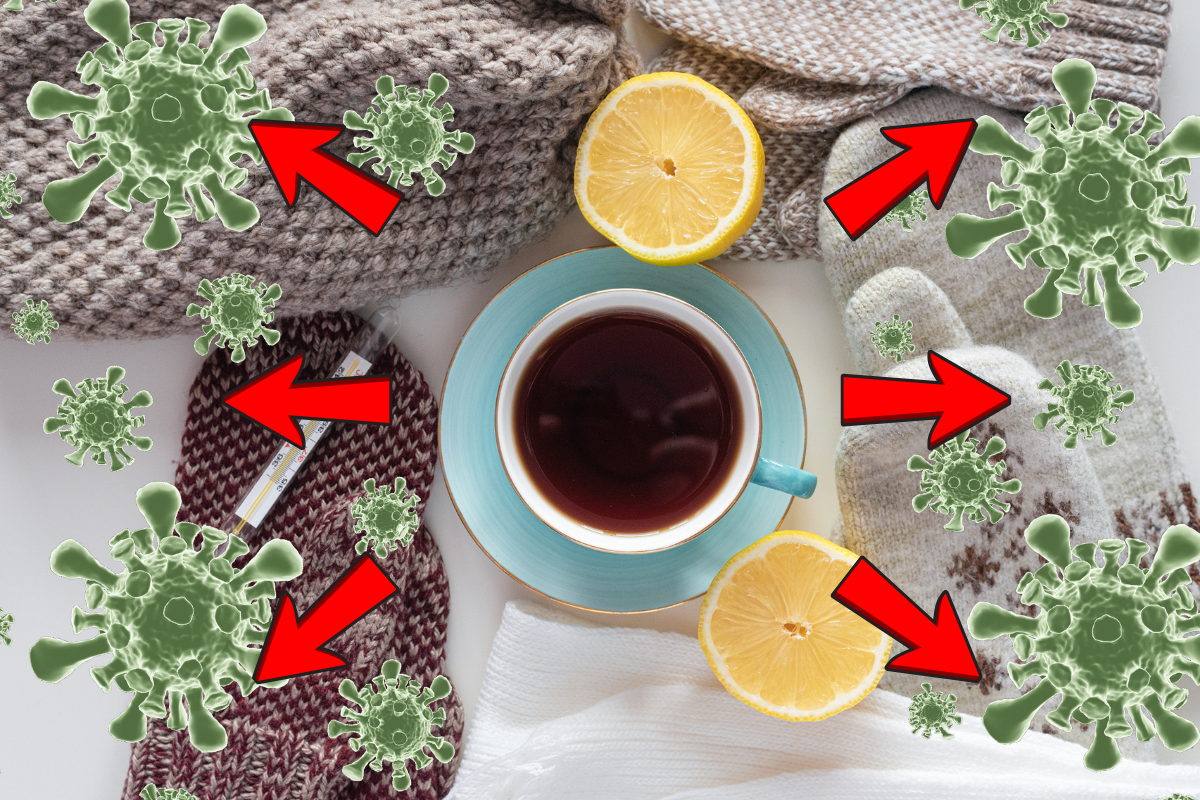
Winter brings more than just festive cheer, it also ushers in an annual wave of respiratory infections. From the common cold and seasonal flu to more serious viral threats like RSV and COVID-19, December marks the beginning of heightened health risks.
Why are illnesses more prevalent during winter? Colder temperatures drive people indoors, increasing close contact and exposure to airborne pathogens. Meanwhile, low humidity and reduced sunlight weaken our body’s natural defenses. The good news? There are science-backed, natural strategies you can adopt today to support your immune system and protect your health.
Here are 9 informative, research-supported lifestyle hacks to help you stay well this winter, without relying solely on over-the-counter medications.
1. Begin Your Day with a Lemon, Ginger, Turmeric Elixir
This traditional immune tonic offers multiple benefits:
- Lemon provides vitamin C, which supports the production and function of white blood cells.
- Ginger has natural antimicrobial and anti-inflammatory properties, shown to inhibit viral replication in lab studies.
- Turmeric contains curcumin, a compound known for its anti-inflammatory and antioxidant effects.
Adding black pepper enhances curcumin absorption by up to 2,000%.
How to Make It:
Combine warm water, juice from half a lemon, 1 teaspoon grated ginger, ¼ teaspoon turmeric, and a pinch of black pepper. Sip in the morning to stimulate digestion, circulation, and immune function.
2. Support Immune Function Through Sleep Hygiene
Sleep is not just restorative, it plays an active role in immune regulation. Studies show that sleep deprivation impairs the activity of natural killer (NK) cells, which are essential in the body’s early defence against viruses [1].
Chronic short sleep also increases inflammation and slows recovery when illness strikes.
Evidence-Based Sleep Tips:
- Follow a consistent schedule, even on weekends.
- Dim lights after sunset to support melatonin production.
- Avoid screens 60 to 90 minutes before bedtime, as blue light disrupts circadian rhythms.
- Keep your bedroom cool, around 65°F or 18°C, and dark for optimal sleep.
Even modest improvements in sleep duration, such as increasing from 6 to 7.5 hours, can enhance immune markers.

3. Strengthen Gut Health with Fermented Foods
An estimated 70% of your immune system resides in your gut, particularly in gut-associated lymphoid tissue (GALT) [2]. A diverse, balanced microbiome helps regulate inflammation, improve nutrient absorption, and support immune tolerance.
Top Fermented Foods:
- Kefir contains up to 30 strains of beneficial bacteria.
- Kimchi and Sauerkraut are rich in lactobacilli and antioxidants.
- Miso provides probiotics and prebiotic fibers.
- Yogurt with live cultures is easy to incorporate daily.
Daily Tip: Aim for 1 to 2 servings of fermented foods per day, and combine with prebiotic-rich foods like oats, garlic, and bananas to fuel beneficial bacteria.
4. Optimise Breathing, Prioritise Nasal, Not Mouth Breathing
The way you breathe impacts your immune health. Nasal breathing filters, warms, and humidifies incoming air, helping trap viruses and bacteria in mucus and nasal hairs. It also stimulates the production of nitric oxide, a gas with direct antimicrobial effects.
Research shows that nitric oxide produced in the sinuses inhibits replication of several viruses, including SARS-CoV-2, by interfering with viral protein function [3].
Practical Tips:
- Practice nasal breathing during exercise and sleep, and consider techniques like mouth taping after consulting a doctor.
- Use saline sprays or neti pots to keep sinuses clear and moisturized.
- Inhale steam with a few drops of eucalyptus or peppermint oil to open airways.
5. Boost Vitamin D Naturally, or Supplement if Needed
Vitamin D is essential for immune modulation, especially in the lungs. It enhances the ability of macrophages and monocytes to fight pathogens and reduces pro-inflammatory cytokines.
However, due to shorter days and weaker sunlight in winter, vitamin D deficiency is common, especially in northern climates.
Recommended Steps:
- Spend 15 to 30 minutes outside mid-morning with some skin exposed, when possible.
- Consider a supplement if you’re not getting adequate sun exposure. Levels below 30 ng/mL are considered insufficient.
- Ask your healthcare provider for a 25(OH)D blood test to assess your status.
Bonus: Sufficient vitamin D levels are also linked to reduced rates of respiratory tract infections and improved outcomes in flu cases.

6. Hydrate with Herbal Immune Teas
Staying hydrated supports lymphatic drainage and keeps mucous membranes moist, which is your first barrier against airborne viruses. Herbal teas also deliver antioxidants and immune-regulating compounds.
Best Winter Teas:
- Elderberry is rich in anthocyanins, and studies show it reduces cold and flu duration [3].
- Licorice Root soothes inflamed respiratory tissues.
- Ginger combats nausea, boosts circulation, and supports immunity.
- Astragalus Root is a traditional adaptogen known to modulate immune activity.
Daily Practice: Sip 2 to 3 cups of herbal tea throughout the day, especially during colder mornings or after outdoor exposure.
7. Regulate Body Temperature with Smart Layering
Sudden drops in core body temperature, especially after sweating or getting wet, can suppress immune response temporarily. This is particularly common with poorly layered clothing in cold environments.
Tips for Thermal Regulation:
- Use moisture-wicking base layers to prevent chill after sweating.
- Choose insulating middle layers such as wool or fleece, and windproof outer layers.
- Always cover extremities, especially your neck, wrists, and ankles, which lose heat rapidly.
Avoid cotton directly against the skin, as it retains moisture and chills the body when wet.
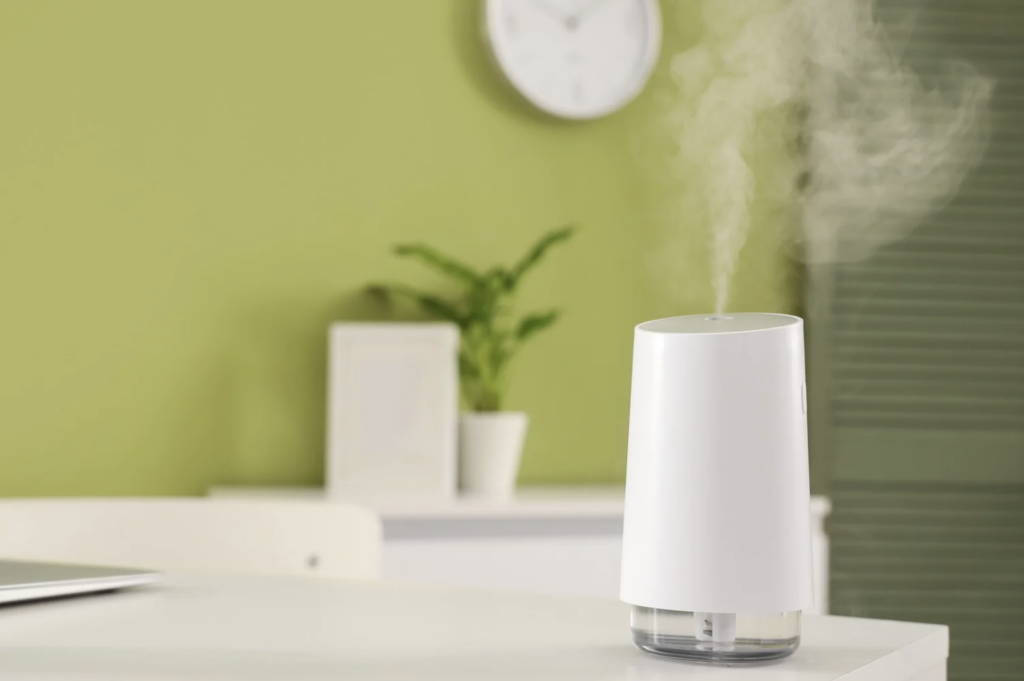
8. Humidify Indoor Air
Cold air holds less moisture, and indoor heating can lower humidity below 30%, drying out the respiratory tract and making it more susceptible to viruses. Studies show that maintaining indoor humidity between 40 and 60% can reduce airborne transmission of influenza and other viruses.
How to Maintain Optimal Humidity:
- Use a cool-mist humidifier, especially in bedrooms and living spaces.
- Keep windows cracked for ventilation when possible.
- Add houseplants like peace lilies or spider plants, which naturally increase indoor humidity.
Remember to clean your humidifier weekly to avoid mold and bacteria buildup.
9. Wash Hands Frequently, but Moisturise After
Hand hygiene remains one of the most effective ways to prevent respiratory illness. Soap and water remove viruses, bacteria, and debris more effectively than sanitizer alone.
Handwashing Guidelines:
- Use warm water and soap for at least 20 seconds.
- Wash before eating, after returning home, and after touching shared surfaces.
- Avoid touching your face, especially the nose and mouth.
Moisturize afterward to protect the skin barrier. Cracked or dry skin is more prone to irritation and microbial invasion.
Final Thoughts:
Staying healthy in winter is about more than avoiding germs, it’s about proactively supporting your body’s natural defense systems. From your gut and respiratory tract to your sleep cycles and stress response, the immune system is deeply interconnected with your daily habits.
By focusing on evidence-based strategies, such as nasal breathing, fermented foods, proper hydration, and circadian alignment, you can build long-term resilience and reduce your risk of seasonal illness.
These natural approaches, backed by both traditional wisdom and modern science, offer a balanced path toward wellness during the coldest, most vulnerable months of the year.
References:
- Besedovsky, L., Lange, T., & Born, J. (2012). Sleep and immune function. Pflugers Archiv – European Journal of Physiology, 463(1), 121–137. https://doi.org/10.1007/s00424-011-1044-0
- Belkaid, Y., & Hand, T. W. (2014). Role of the microbiota in immunity and inflammation. Cell, 157(1), 121–141. https://doi.org/10.1016/j.cell.2014.03.011
- Tiralongo, E., et al. (2016). Elderberry supplementation reduces cold duration and severity in air travelers: A randomized, double-blind placebo-controlled clinical trial. Nutrients, 8(4), 182. https://doi.org/10.3390/nu8040182