
Ever feel bloated, stiff, or tired after eating packaged or processed foods, even the ones labeled “clean” or “healthy”? You’re not imagining it. One of the most overlooked sources of chronic inflammation in the modern diet isn’t sugar or gluten. It’s seed oils.
These oils, including soybean, canola, sunflower, safflower, and corn oil, are found in thousands of everyday foods. They’re promoted as heart-friendly, but growing research suggests they may silently fuel inflammation, disrupt cellular function, and even worsen joint and skin issues. Understanding the role of seed oils in inflammation can help you make small but powerful shifts in your diet to feel your best.
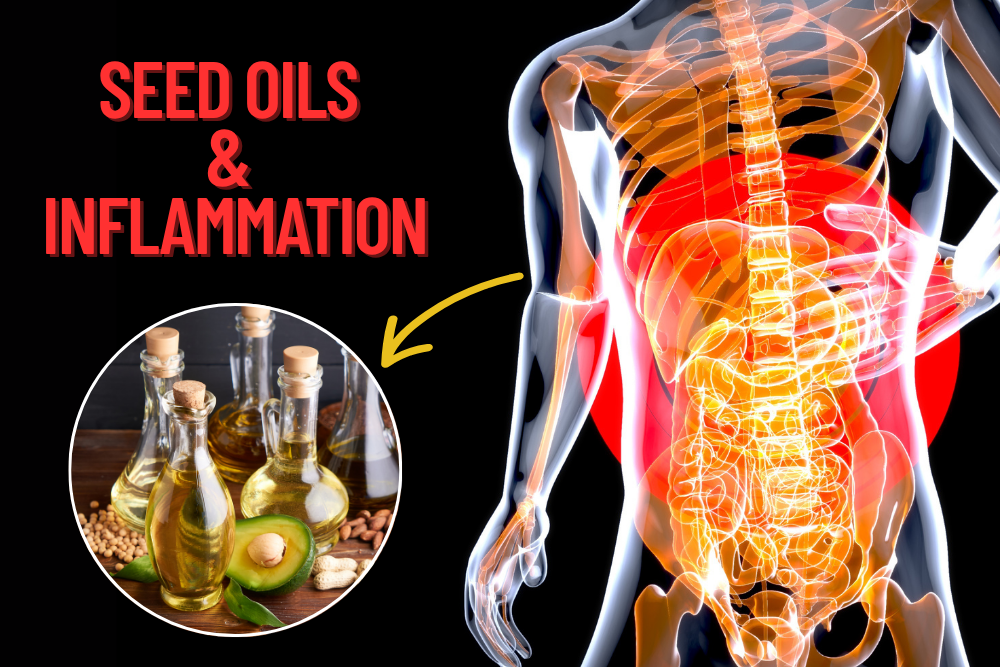
How Seed Oils Contribute to Inflammation: What the Science Shows
1. Too Much Omega 6 Fatty Acids Equals Inflammatory Overload
Seed oils are high in linoleic acid, a type of omega 6 fat. While omega 6s are essential in moderation, most modern diets contain ten to twenty times more than the body needs. This imbalance can push the body into a pro inflammatory state, especially when omega 3 intake is low [1].
2. Seed Oil Intake Is Linked to Higher Risk of Chronic Disease
A growing body of evidence shows that high intake of industrial seed oils may be associated with an increased risk of chronic diseases, including heart disease, obesity, and type 2 diabetes. These oils are often consumed in ultra processed foods that also tend to be low in nutrients [2].
3. Heating Seed Oils Can Turn Them Toxic
When seed oils are exposed to high heat during processing or cooking, they can break down into harmful compounds like aldehydes. These byproducts have been linked to oxidative stress and inflammation in the body, especially when consumed regularly [3].
Who’s Most Affected
• People with osteoarthritis, rheumatoid arthritis, or joint stiffness
• Adults over 40 dealing with sluggish recovery or chronic inflammation
• Individuals with acne, eczema, or other inflammatory skin conditions
• Those experiencing bloating, indigestion, or “mystery fatigue”
• Anyone eating restaurant food, frozen meals, or snack bars regularly
Simple Ways to Avoid Inflammatory Oils
1. Swap Your Cooking Oils
Use oils that are less processed and more stable at high heat. Try:
• Extra virgin olive oil for dressings and sautéing
• Avocado oil for roasting or stir frying
• Coconut oil or grass fed ghee for baking
2. Check Food Labels Closely
Seed oils are often hidden in everyday grocery staples, even in products labeled as “natural” or “healthy.” Look out for them in:
• Granola bars
• Salad dressings
• Nut butters
• Dips and non dairy milk
Common ingredients to avoid include soybean oil, canola oil, sunflower oil, safflower oil, and generic “vegetable oil.”
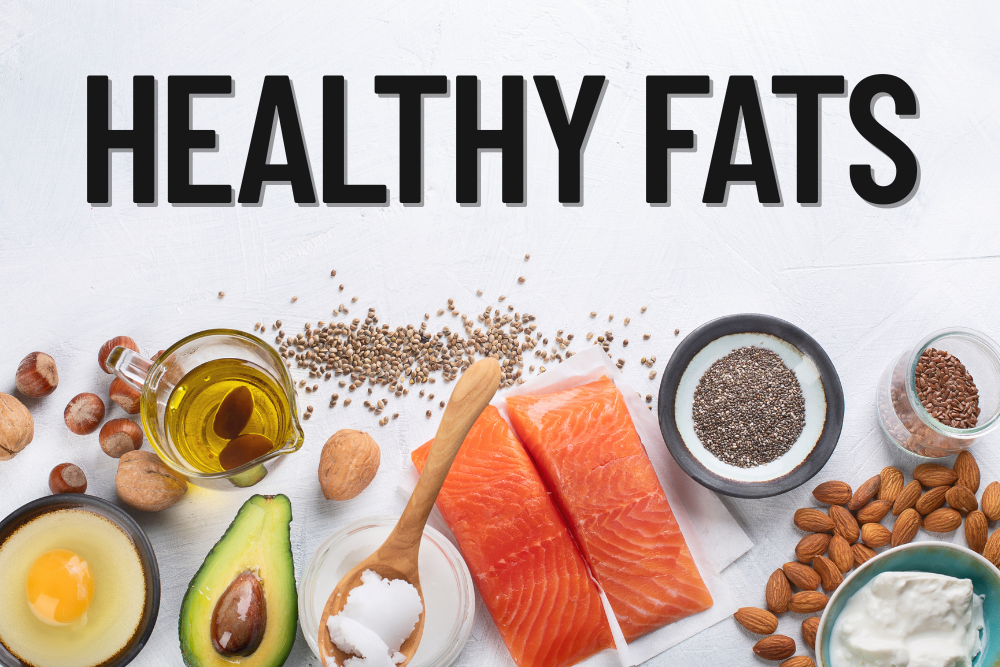
3. Rebalance with Omega 3s
To counterbalance excess omega 6, add more omega 3 rich foods to your diet:
• Flaxseed, chia seeds, and walnuts
• Wild caught salmon or sardines
• Algae based or fish oil supplements
Don’t Let Seed Oils Work Against You
Seed oils may be invisible in your meals, but their effects are not. If you’re working hard to eat well and still feel inflamed, bloated, or foggy, the oils in your food could be the missing link.
By making simple swaps, reading ingredient lists, and supporting your body with more whole foods and better fats, you can reduce your inflammation burden and start feeling stronger, clearer, and more energized naturally.
References:
- Simopoulos, A.P. (2016). An Increase in the Omega 6 Omega 3 Fatty Acid Ratio Increases the Risk for Obesity. Nutrients, 8(3), 128. https://doi.org/10.3390/nu8030128
- Schwab, U., Lauritzen, L., Tholstrup, T., et al. (2014). Effect of the amount and type of dietary fat on cardiometabolic risk factors and risk of developing type 2 diabetes, cardiovascular diseases, and cancer: a systematic review. Food and Nutrition Research, 58(1), 25145. https://doi.org/10.3402/fnr.v58.25145
- Chowdhury, R., Warnakula, S., Kunutsor, S., et al. (2014). Association of dietary, circulating, and supplement fatty acids with coronary risk: a systematic review and meta analysis. Annals of Internal Medicine, 160(6), 398–406. https://doi.org/10.7326/M13-1788