When people hear “collagen,” they often think immediately of youthful skin and wrinkle prevention. While it’s true that collagen plays a major role in maintaining skin elasticity, its importance stretches far beyond beauty.
In fact, collagen is one of the most vital proteins in the body, influencing the health of your joints, gut lining, and bones. Supporting your collagen levels is key to overall vitality, especially as natural production declines with age.
In this article, we’ll dive into the lesser-known but crucial ways collagen impacts your internal health, and how you can naturally promote collagen support.
What Is Collagen?
Collagen is the most abundant protein in the human body, making up about one-third of total protein content [1]. It serves as the primary building block for connective tissues, including tendons, ligaments, skin, and muscles.
There are at least 28 types of collagen, but types I, II, and III are the most common and crucial for maintaining structural integrity throughout the body [2].
Collagen and Joint Health
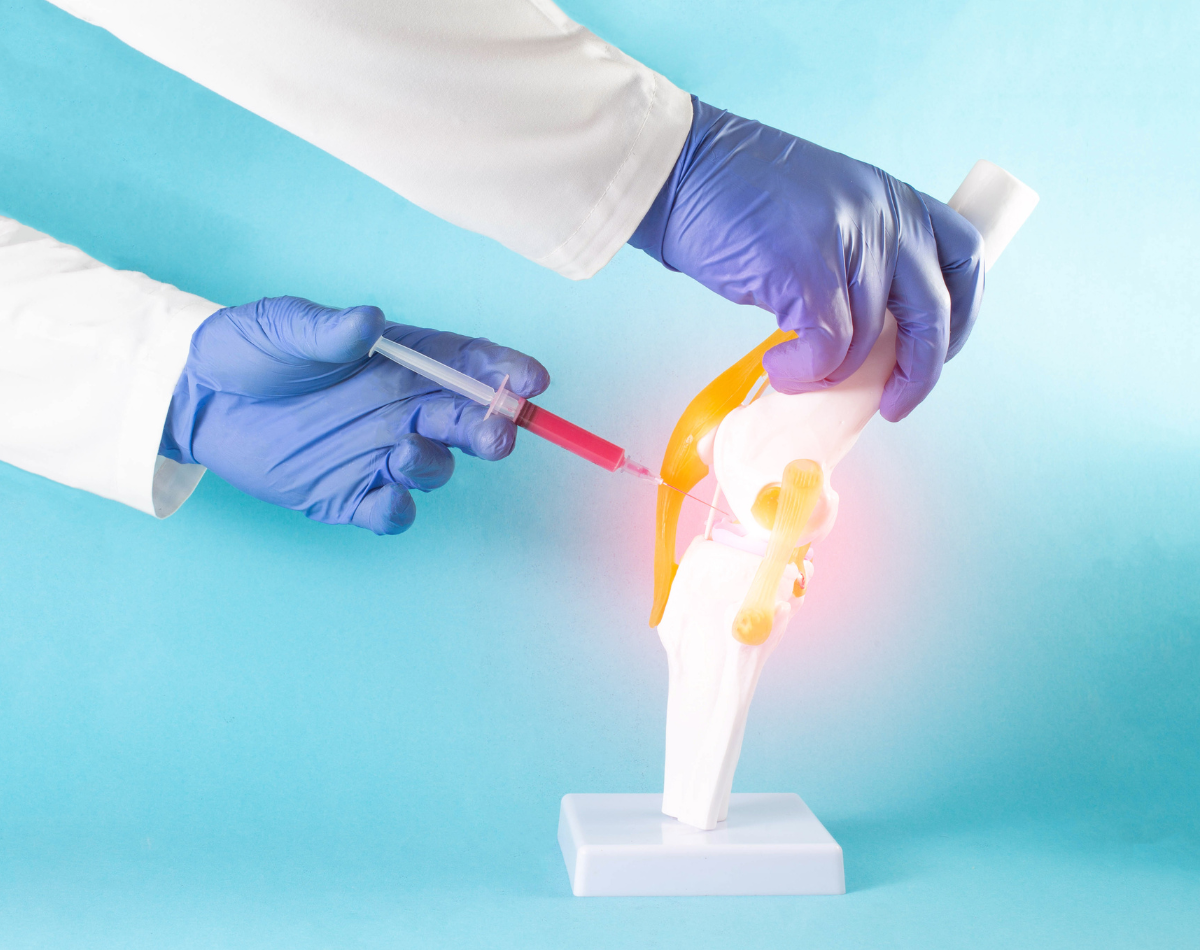
Joints rely heavily on collagen to function smoothly. Collagen forms the connective tissue that cushions joints and supports cartilage structure. Over time, reduced collagen production can lead to stiffness, discomfort, and decreased flexibility.
Studies have found that collagen supplementation may support joint health by promoting cartilage integrity and reducing joint discomfort associated with normal aging and physical activity [3].
Key benefits for joints include:
- Supporting cartilage resilience
- Promoting joint comfort
- Helping maintain mobility with age
Collagen and Gut Health
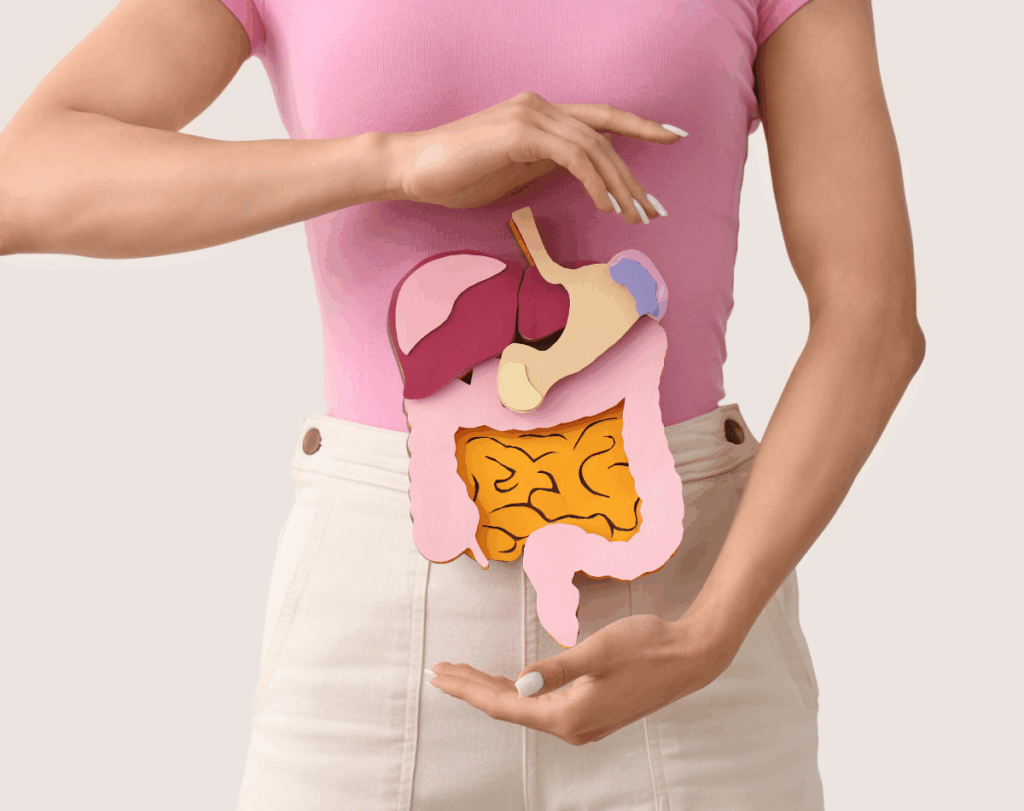
Your digestive tract depends on a strong intestinal lining to properly absorb nutrients and act as a barrier against unwanted substances. Collagen is rich in amino acids like glycine and glutamine, which are critical for supporting the gut lining [4].
By helping to maintain the structural integrity of the gastrointestinal tract, collagen can:
- Support a healthy gut lining
- Promote balanced digestion
- Help maintain immune system function linked to the gut
Emerging research suggests that maintaining healthy collagen levels could play a role in overall gut wellness, especially in individuals focused on supporting digestive health naturally.
Collagen and Bone Strength
While most people associate calcium with strong bones, collagen is equally essential. Bones are made up of a matrix of collagen fibers that give them flexibility and strength, working alongside minerals like calcium and phosphorus [5].
As collagen declines, bones may lose density and resilience, which is why supporting collagen is increasingly emphasized in maintaining healthy bone metabolism.
Benefits for bones include:
- Helping maintain bone strength and flexibility
- Supporting bone density
- Promoting skeletal resilience over time

Natural Ways to Support Collagen Production
Fortunately, several lifestyle strategies can help support your body’s natural collagen levels:
- Consume Collagen-Rich Foods: Bone broth, chicken skin, and fish are natural collagen sources.
- Prioritize Vitamin C: Essential for collagen synthesis, vitamin C can be found in fruits like oranges, strawberries, and kiwis.
- Protect Against UV Damage: Excessive sun exposure accelerates collagen breakdown.
- Supplement Wisely: Hydrolyzed collagen peptides are easily absorbed and can support collagen production internally.
Final Thoughts
While collagen’s beauty benefits are well-known, its contributions to joint mobility, digestive integrity, and skeletal strength are equally important. Supporting collagen production through nutrition, lifestyle, and smart supplementation can help you stay active, strong, and vibrant at any age.
References:
- Ricard-Blum, S. (2011). The collagen family. Cold Spring Harbor Perspectives in Biology, 3(1), a004978. https://doi.org/10.1101/cshperspect.a004978
- Shoulders, M. D., & Raines, R. T. (2009). Collagen structure and stability. Annual Review of Biochemistry, 78, 929-958. https://doi.org/10.1146/annurev.biochem.77.032207.120833
- Clark, K. L., Sebastianelli, W., Flechsenhar, K. R., Aukermann, D. F., Meza, F., Millard, R. L., … & Deitch, J. R. (2008). 24-Week study on the use of collagen hydrolysate as a dietary supplement in athletes with activity-related joint pain. Current Medical Research and Opinion, 24(5), 1485-1496. https://doi.org/10.1185/030079908X291967
- Chen, Q., Chen, O., Martins, I. M., Hou, H., Zhao, X., & Blumberg, J. B. (2017). Collagen peptides ameliorate intestinal epithelial barrier dysfunction in immunostimulatory Caco-2 cell monolayers via enhancing tight junctions. Food & Function, 8(10), 3613–3619. https://pubmed.ncbi.nlm.nih.gov/28174772/
- Florencio-Silva, R., Sasso, G. R. D. S., Sasso-Cerri, E., Simões, M. J., & Cerri, P. S. (2015). Biology of bone tissue: Structure, function, and factors that influence bone cells. BioMed Research International, 2015, 421746. https://doi.org/10.1155/2015/421746